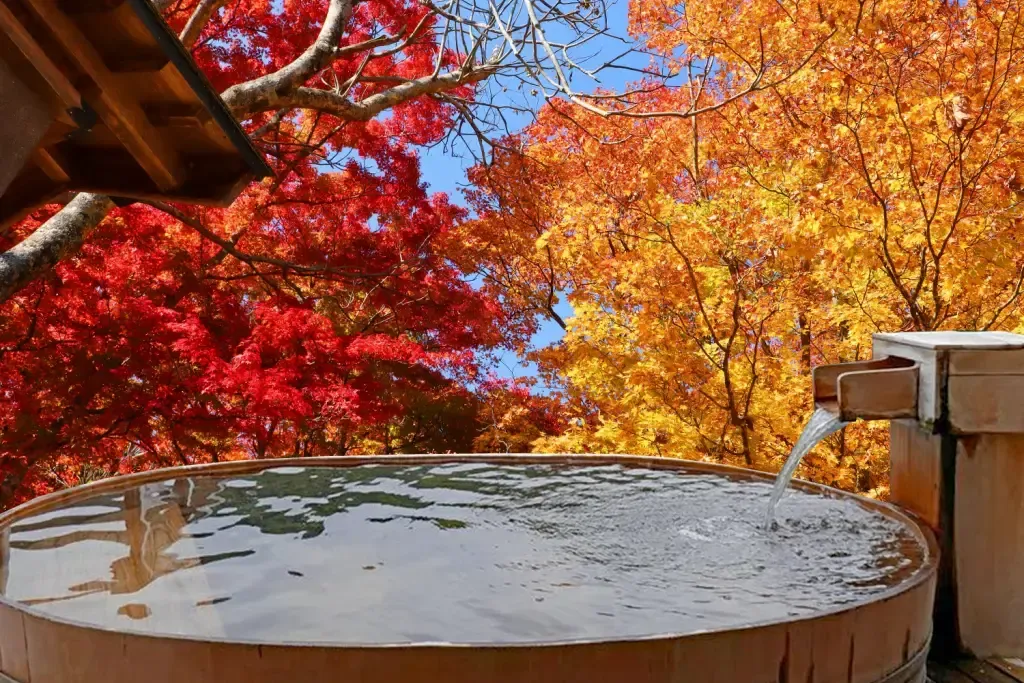
Yumoto Fujiya Hotel
On the Hayakawa River in Hakone's oldest hot-spring district, with a large forest rotemburo (outdoor bath). Easy train access makes it a logical first or last night.
Reference ↗Autumn leaves, hot springs and Tokyo: a November itinerary for two, built around everything you both want to do.
Tap the ♡ on any card to build a shortlist, then hit Shortlist up top to see just your picks. Every card links to a reference.
Your shortlist is empty. Tap the ♡ on cards you like, then come back here.
A balanced rhythm: one main thing a day with room to wander and shoot. Tokyo is your base the whole time, with one night out at a Hakone onsen ryokan. Day 7 is a swing day, with Nikko or Mt Fuji depending on your dates.
Land, check in, and keep the first evening easy: a wander and a first bowl of ramen near your hotel.
Senso-ji and the Asakusa lanes in the morning, Ueno Park and its museums after lunch, Tokyo Skytree at dusk.
A full day at the park. Go midweek if you can; the Christmas season will be in full swing.
A photography day: a classic garden such as Rikugien or Koishikawa Korakuen, then the Jingu Gaien ginkgo avenue and Omotesando.
Travel out to Hakone and ride the loop: Lake Ashi, Owakudani, the Open-Air Museum. Check into your onsen ryokan for a kaiseki dinner.
One more soak, the lakeside torii at Hakone Shrine, then back to Tokyo by mid-afternoon.
Your swing day. Pick by your travel dates and the weather forecast. See the timing guide above.
Shibuya Sky, teamLab Planets, Ginza, any autumn spot you missed, and shopping.
A final depachika food haul or some last shopping, then head for the airport.
Autumn colour sweeps from the mountains down into the city across November. Your exact dates decide what is at peak. Here is how it falls, so you can match it to whatever flight you book.
The mountains peak first. Nikko and Mt Fuji / Kawaguchiko are at their best while central Tokyo is still mostly green.
The all-rounder window. Hakone colours up, Showa Kinen's ginkgo turns gold, Mt Takao peaks and Kawaguchiko's Maple Corridor lights up.
Tokyo's city gardens peak (Rikugien, Koishikawa, Jingu Gaien) and the evening illuminations run. Nikko is mostly past.
Staying a night in a Hakone onsen ryokan with a kaiseki dinner is the heart of this trip. Mid-range rooms with a private open-air bath run roughly 20,000 to 45,000 yen per person including dinner and breakfast. Prefer not to stay over? The day bathhouses below give you the soak without the room. Note: many communal baths are nude and some restrict tattoos; a room with a private bath sidesteps both.
On the Hayakawa River in Hakone's oldest hot-spring district, with a large forest rotemburo (outdoor bath). Easy train access makes it a logical first or last night.
Reference ↗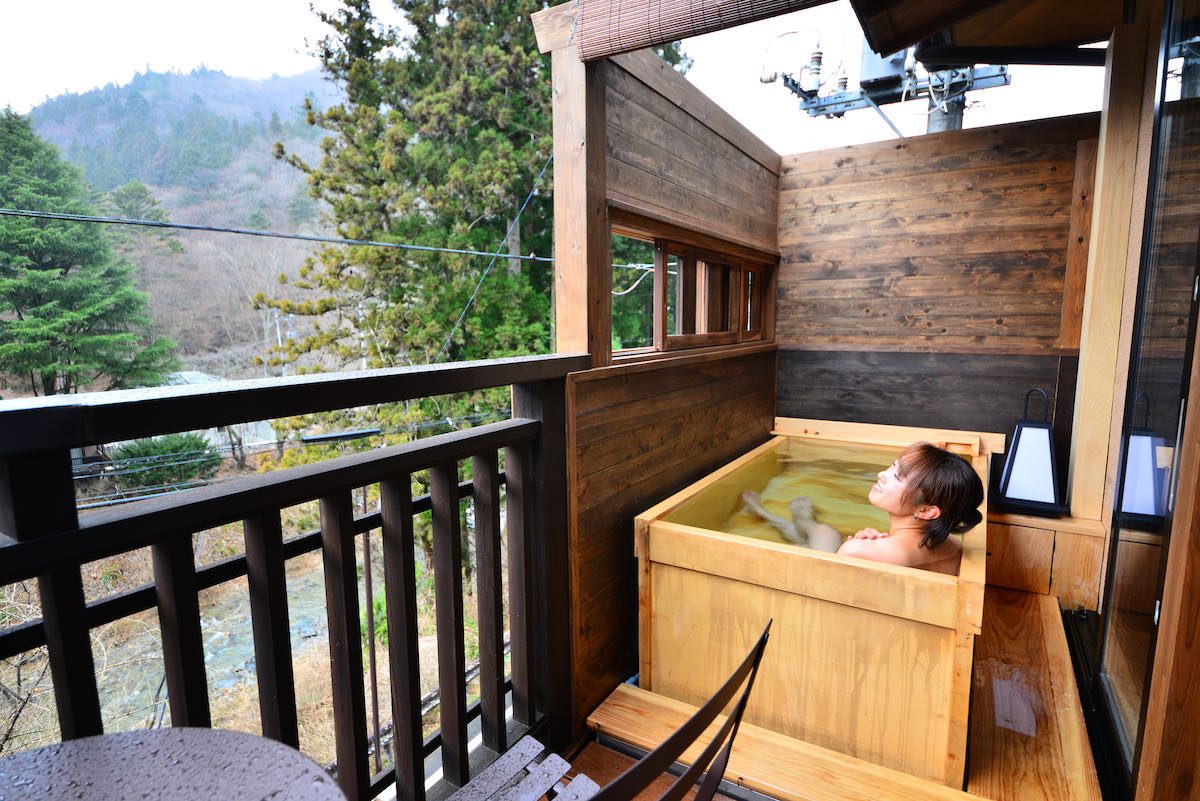
All 16 rooms have a private open-air onsen fed straight from the source, a stone-and-timber bath on your own terrace above the forested Gora hillside. Kaiseki served in-room.
Reference ↗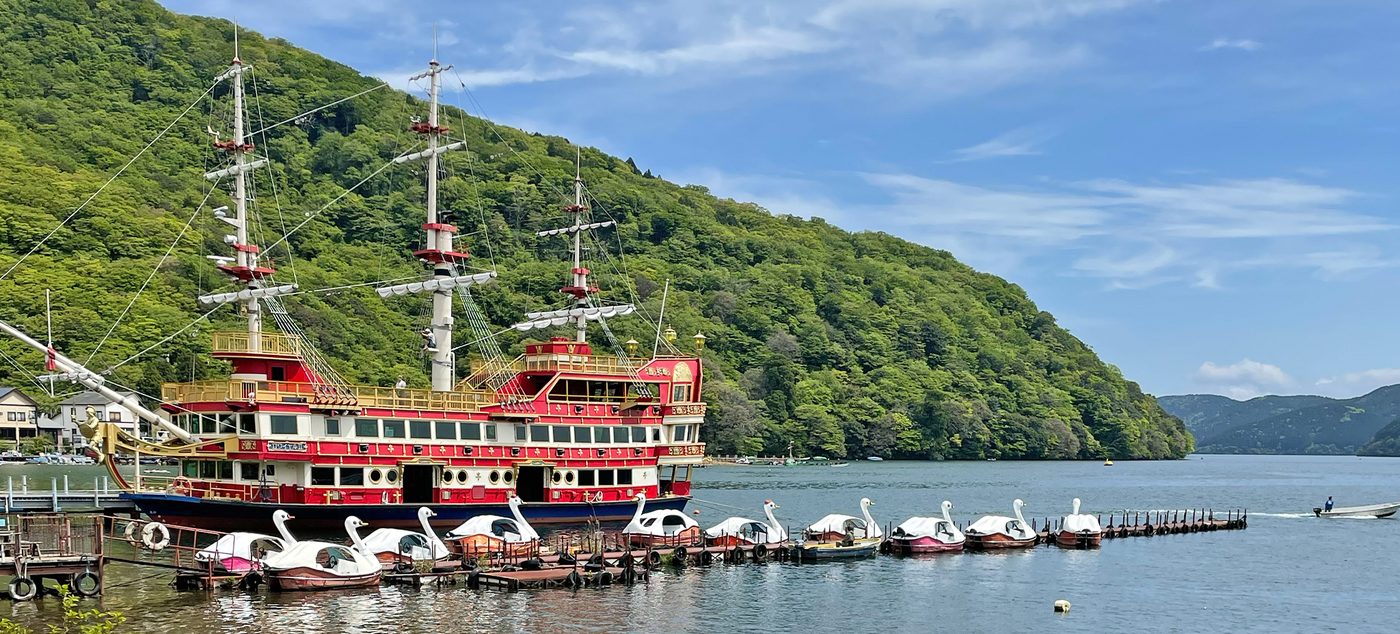
A sleek modern ryokan on the Sengokuhara plateau, every room with a private open-air bath of milky-white mineral water, set amid the area's best pampas grass and maple scenery.
Reference ↗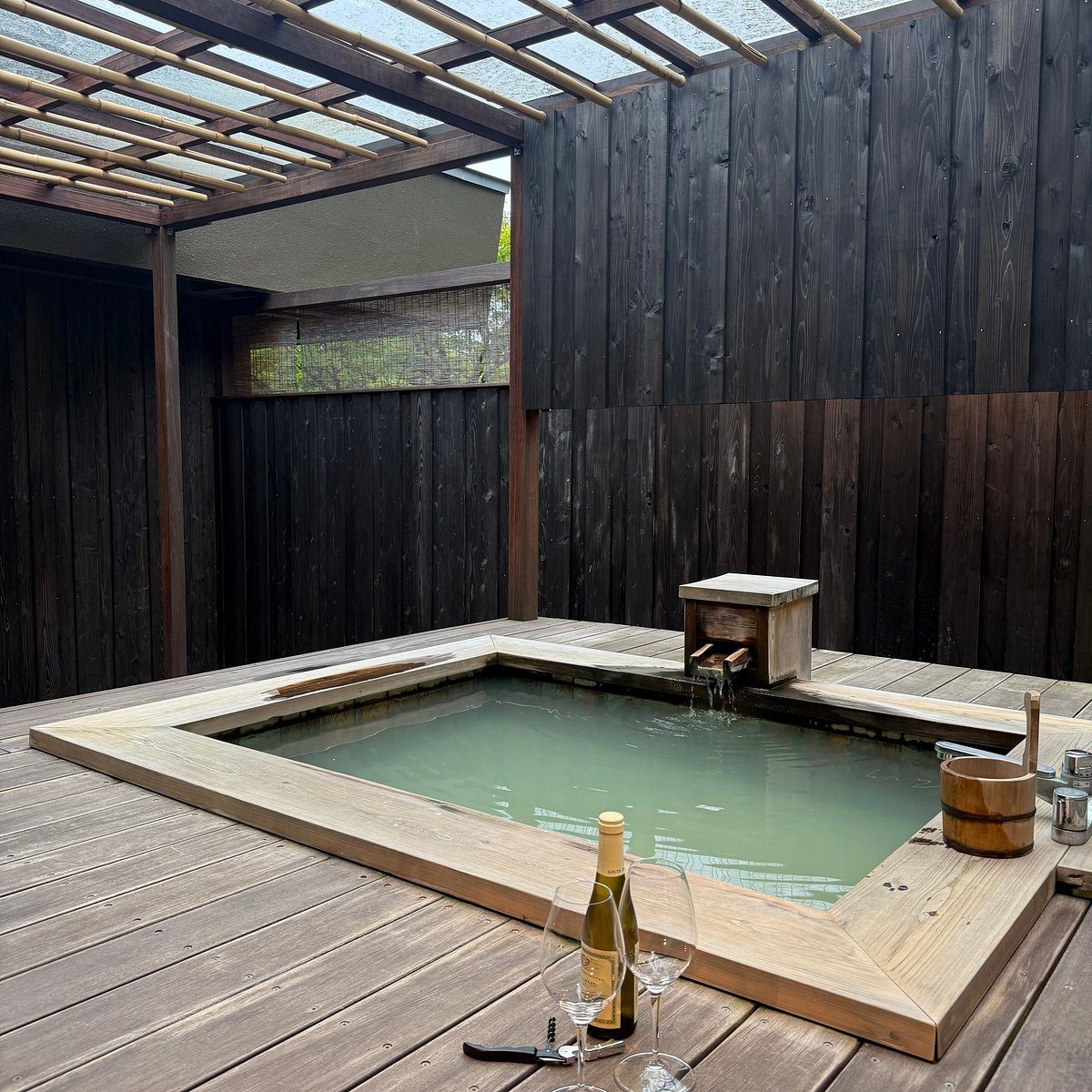
A more affordable mid-range pick in Sengokuhara that still gives you a private open-air bath, tatami rooms with rotemburo at a price comfortably under 40,000 yen for two with meals.
Reference ↗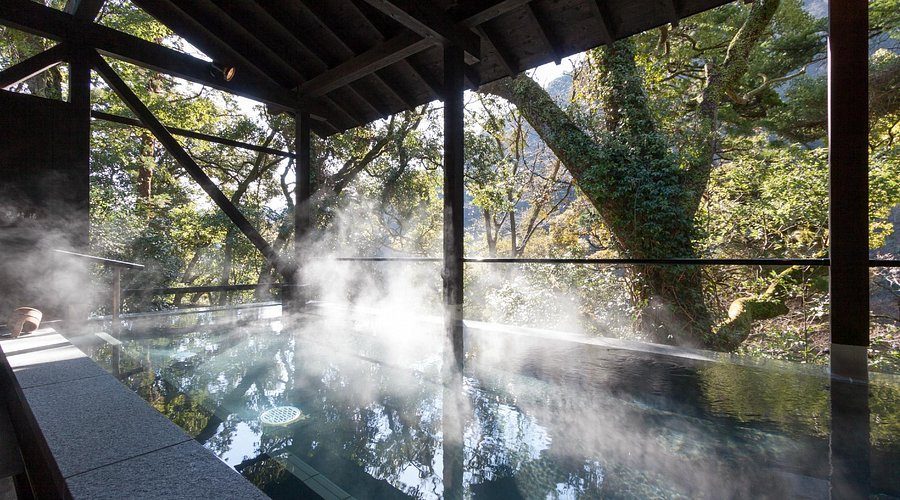
The classiest day-trip bathhouse near Hakone-Yumoto: thatched-roof buildings in forest, big communal rotemburo plus bookable private open-air baths. Free shuttle from the station every 30 minutes.
Reference ↗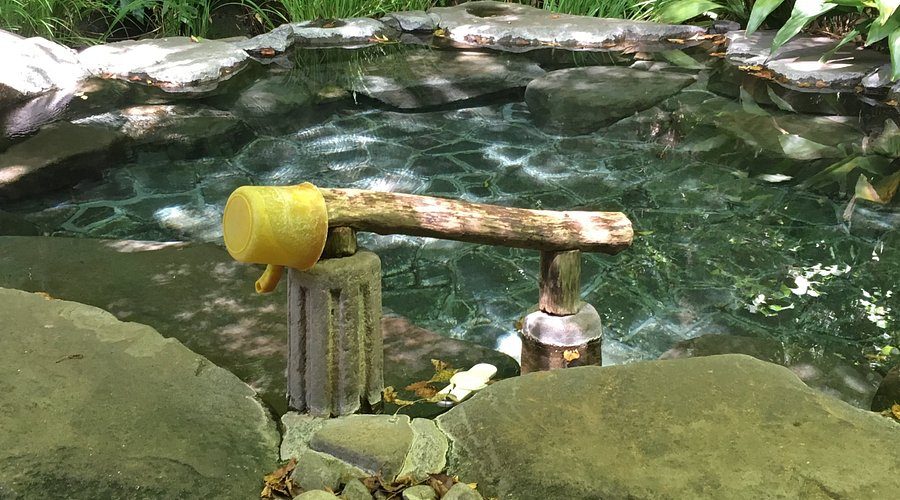
A beloved local bathhouse beside a forest stream, rustic outdoor pools and timber private baths, water that genuinely smells of sulphur. The opposite of a tourist trap.
Reference ↗Tokyo and its surroundings hide dozens of gardens that catch fire in November. These are the best of them, each tagged with its peak window so you can match spots to whatever flight dates you land on.
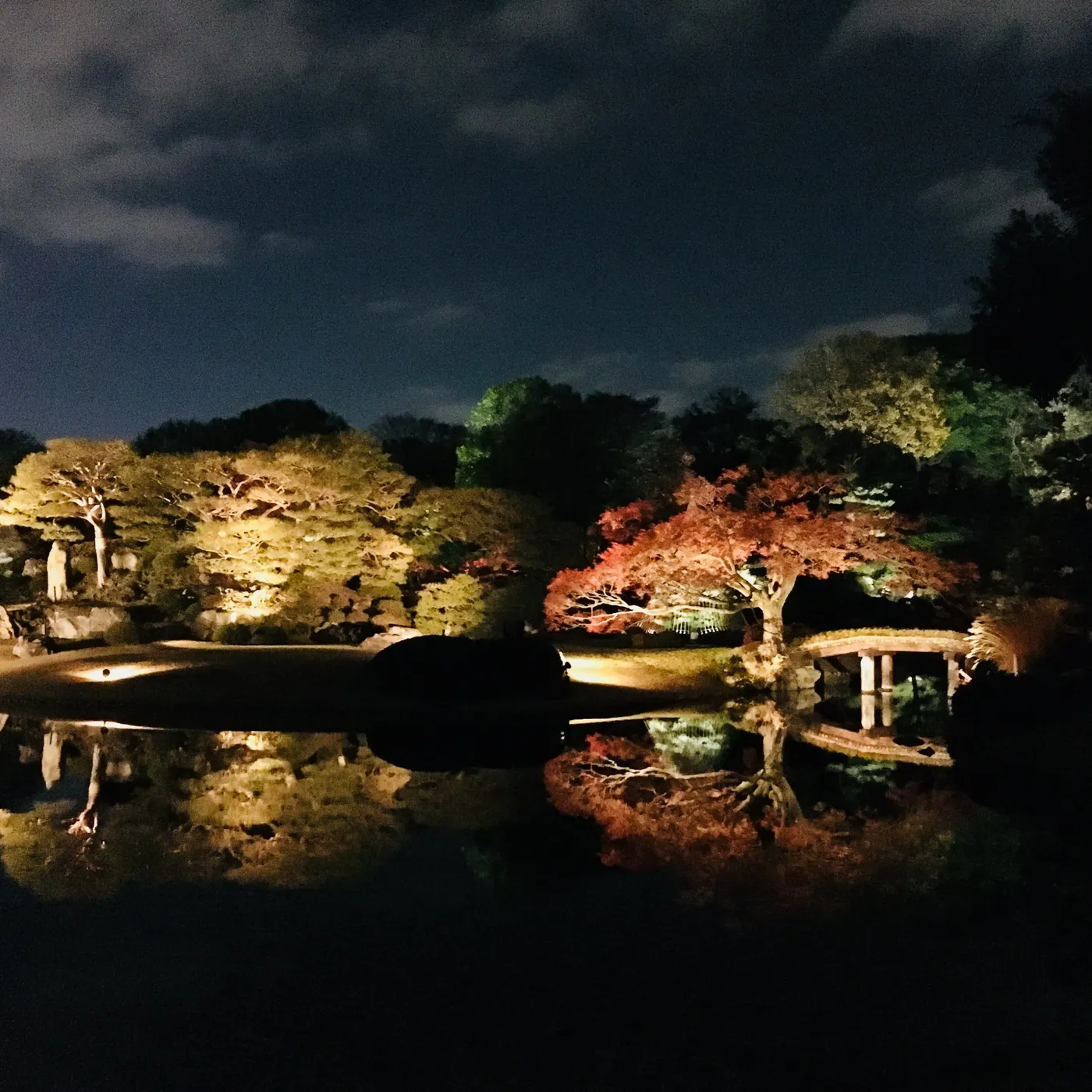
An Edo-period strolling garden with one spectacular maple arching over the central pond in deep crimson. The night illumination turns the reflections electric, arguably the best after-dark autumn shot in Tokyo.
Reference ↗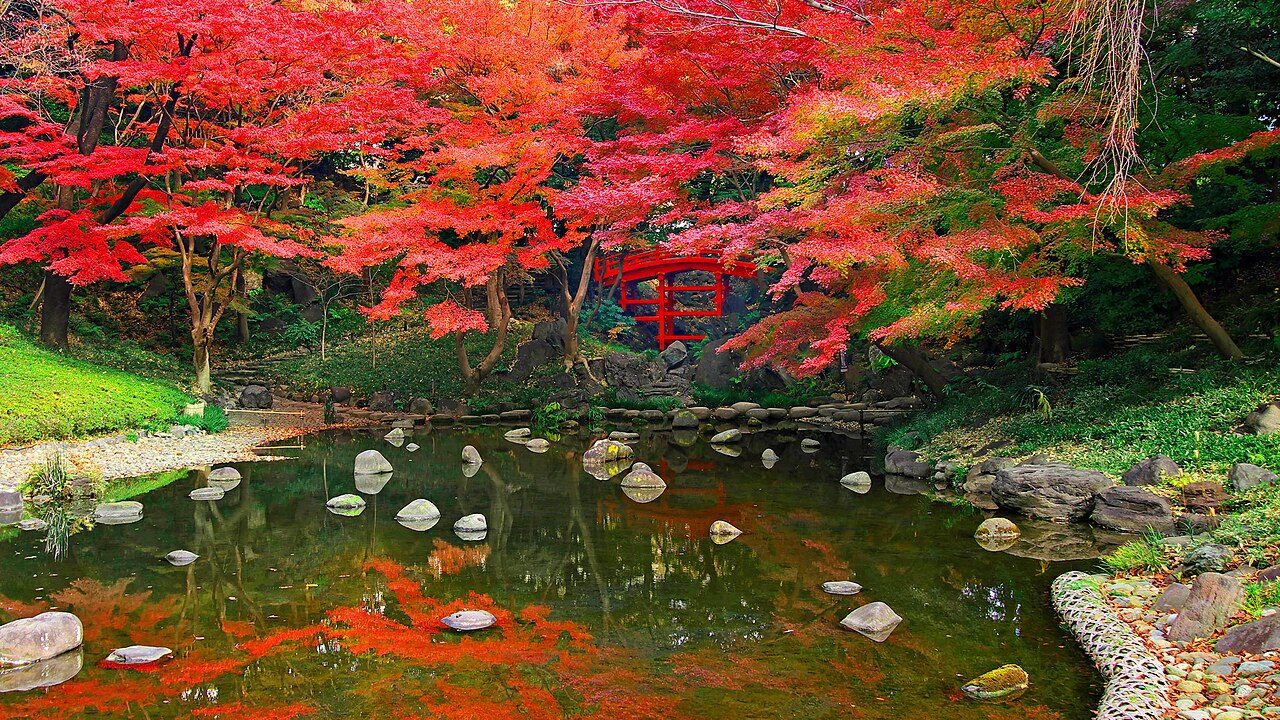
Tokyo's oldest surviving landscape garden, dozens of maples turning orange-scarlet by late November and mirrored in the still central pond. Tokyo Dome's lights behind it give a surreal layered backdrop.
Reference ↗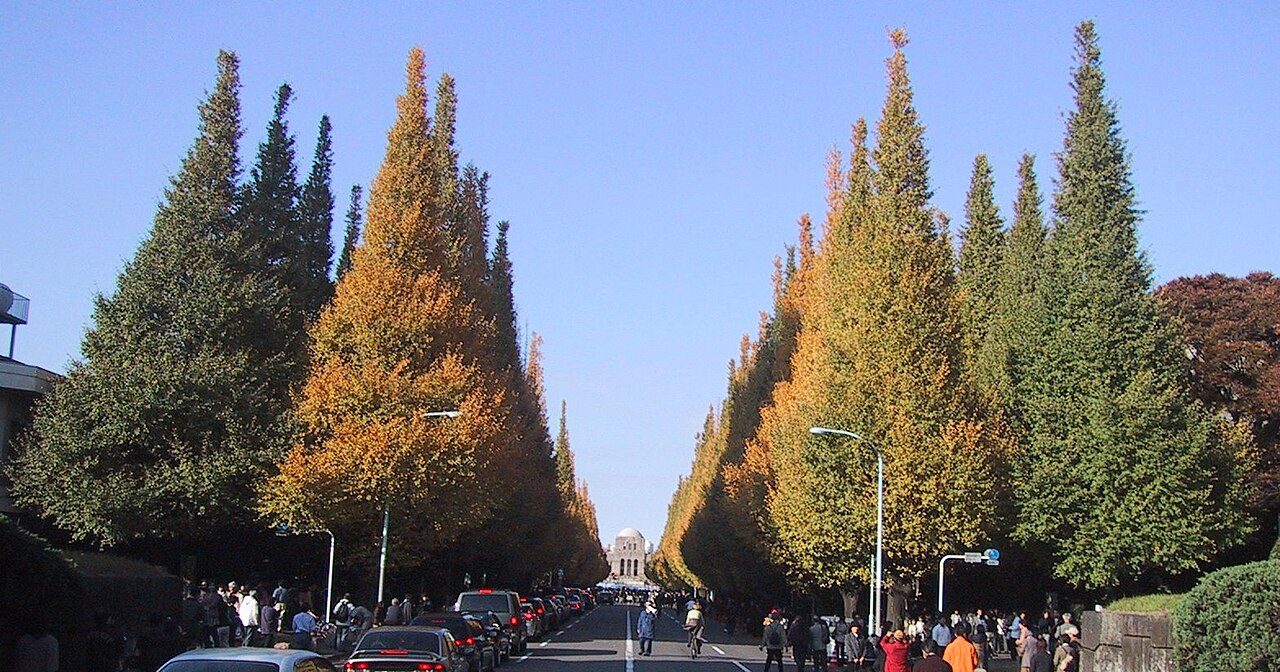
146 ginkgo trees trimmed into a narrowing golden tunnel, Japan's most iconic autumn street shot. Peak brilliant-yellow in late November, with sidewalk cafes and food stalls during the short festival.
Reference ↗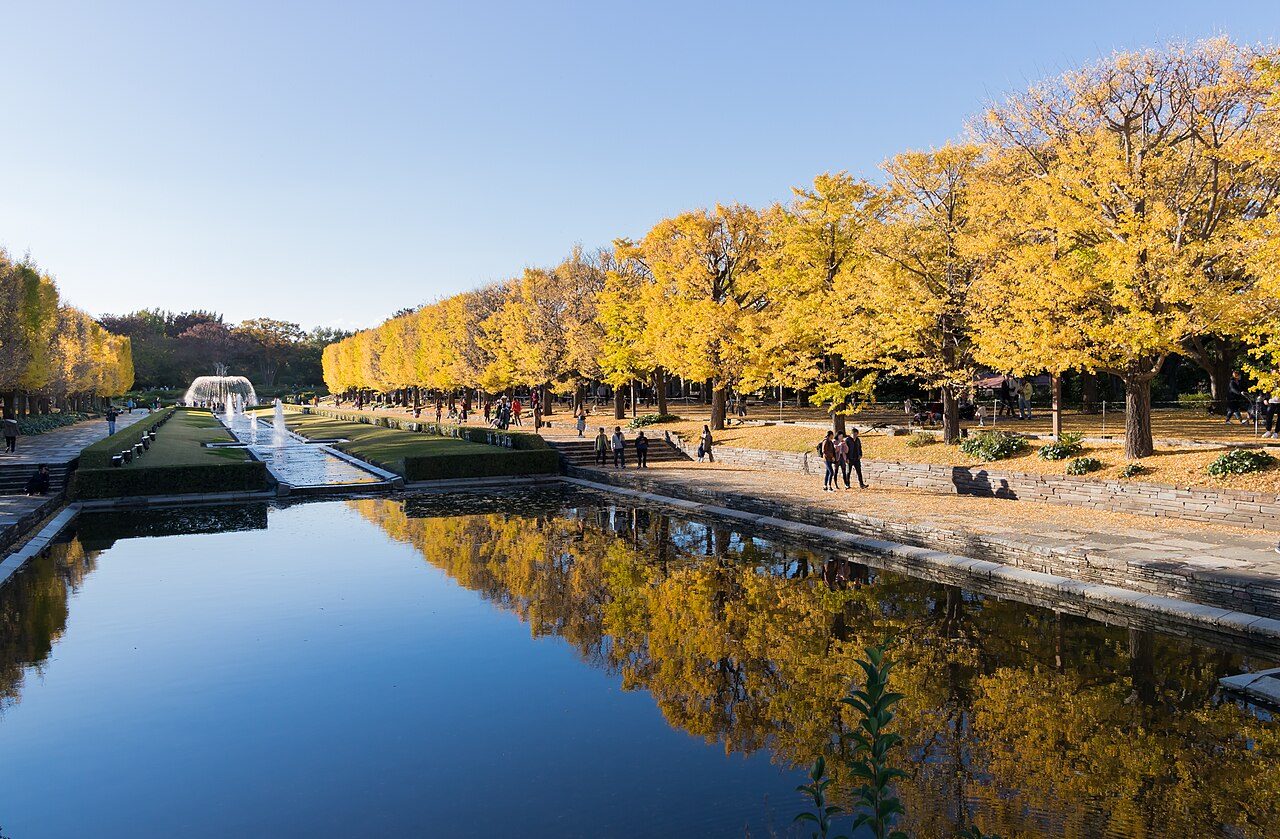
A straight-line ginkgo avenue that goes pure gold in mid-November and a Japanese Garden whose maple grove erupts scarlet by month's end, both lit up on autumn-illumination evenings. The city's biggest autumn canvas.
Reference ↗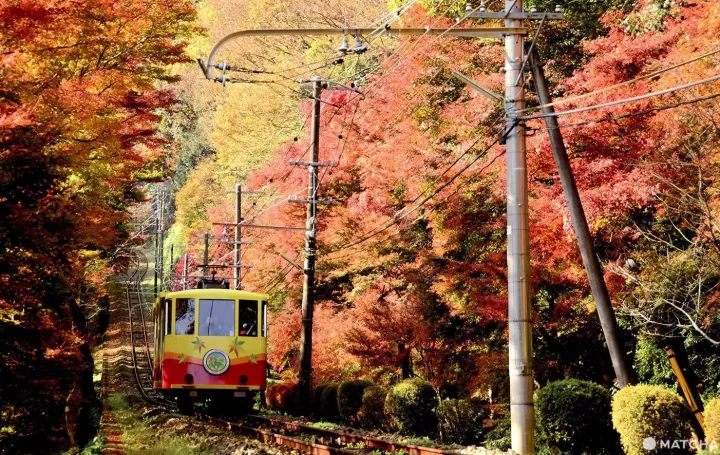
Wild, layered reds from natural broadleaf forest rather than planted maples, rare this close to a city. The Autumn Leaves Festival runs through November, and a clear day rewards summit hikers with Fuji floating above an orange canopy.
Reference ↗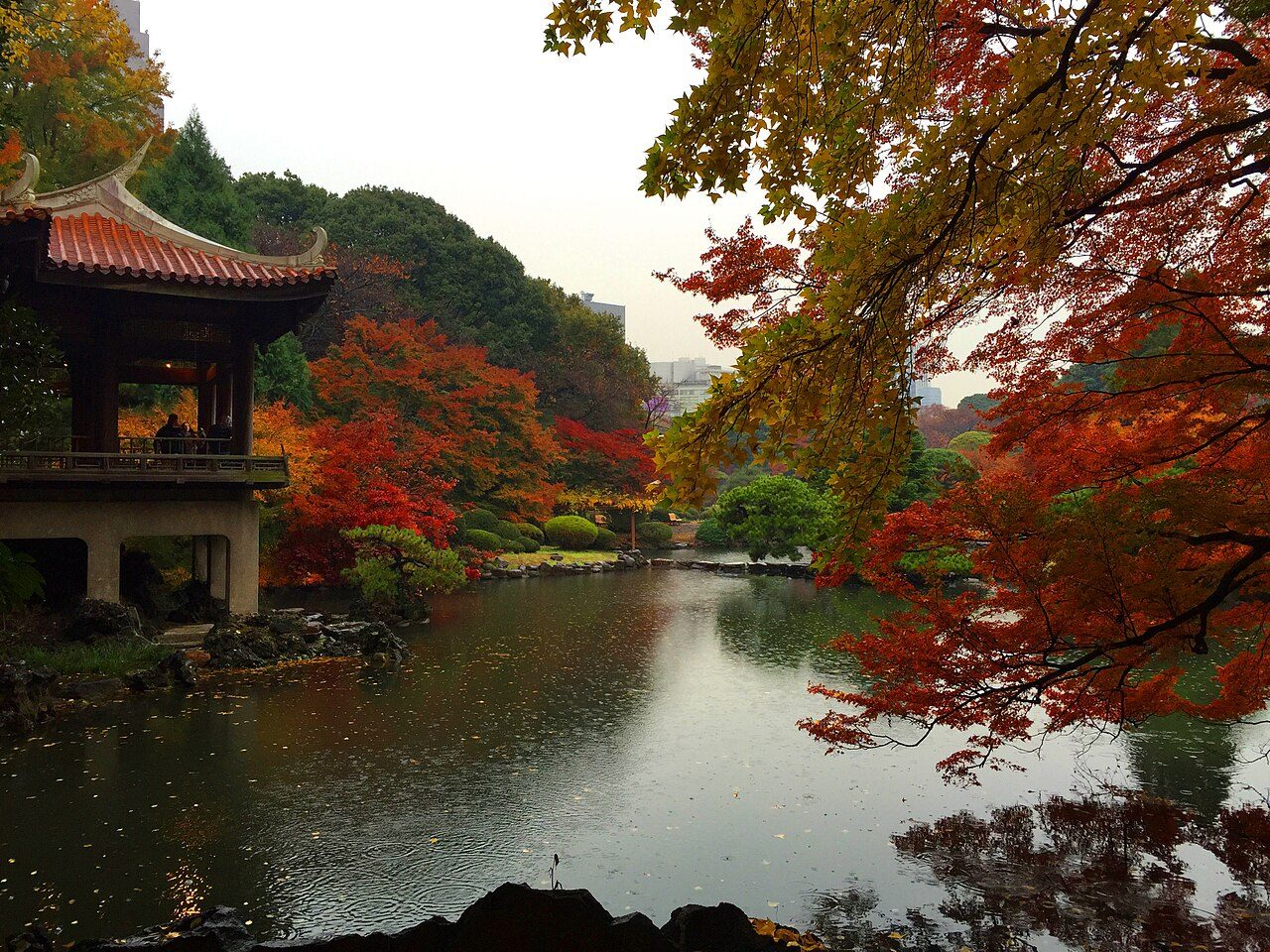
Three gardens in one: the Japanese section's Maple Mountain delivers concentrated scarlet from mid-November, with giant ginkgos burning gold nearby. The long season makes it the safest bet if flight dates are uncertain.
Reference ↗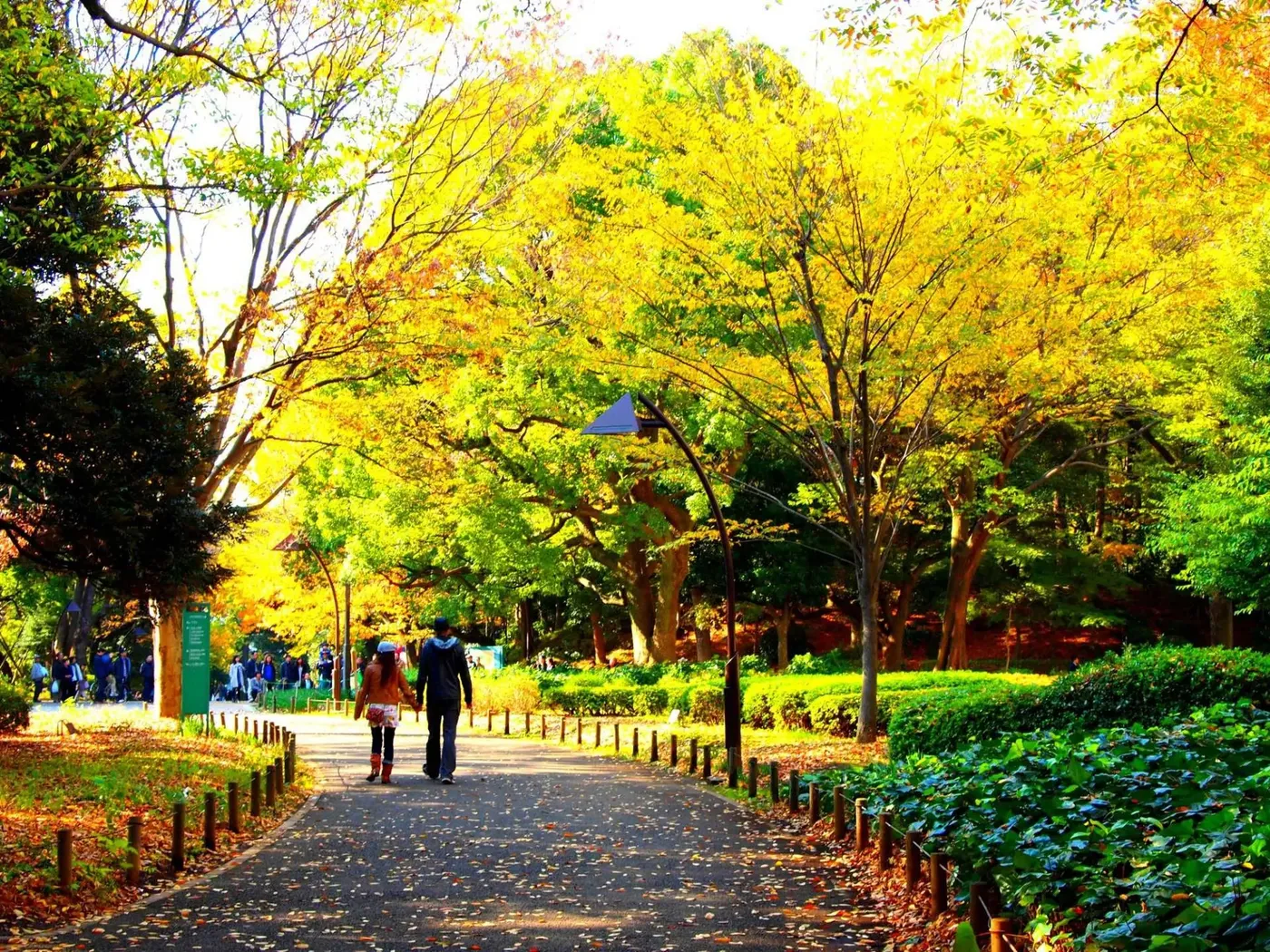
Famous for cherry blossom, Ueno does a quieter autumn act: zelkova along the main avenue flush amber-bronze in late November and the wooded north end near Bentendo turns deep red. Free, with a cluster of museums for a full day.
Reference ↗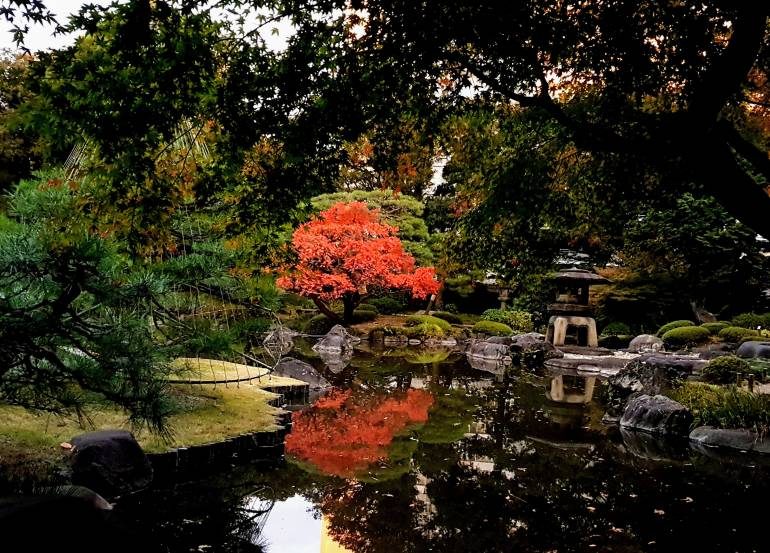
A Meiji-era stone mansion with a European rose garden above and a Japanese garden below: late roses still blooming while the maple grove blazes red. Smaller and quieter than the big-name gardens, a hidden gem for couples.
Reference ↗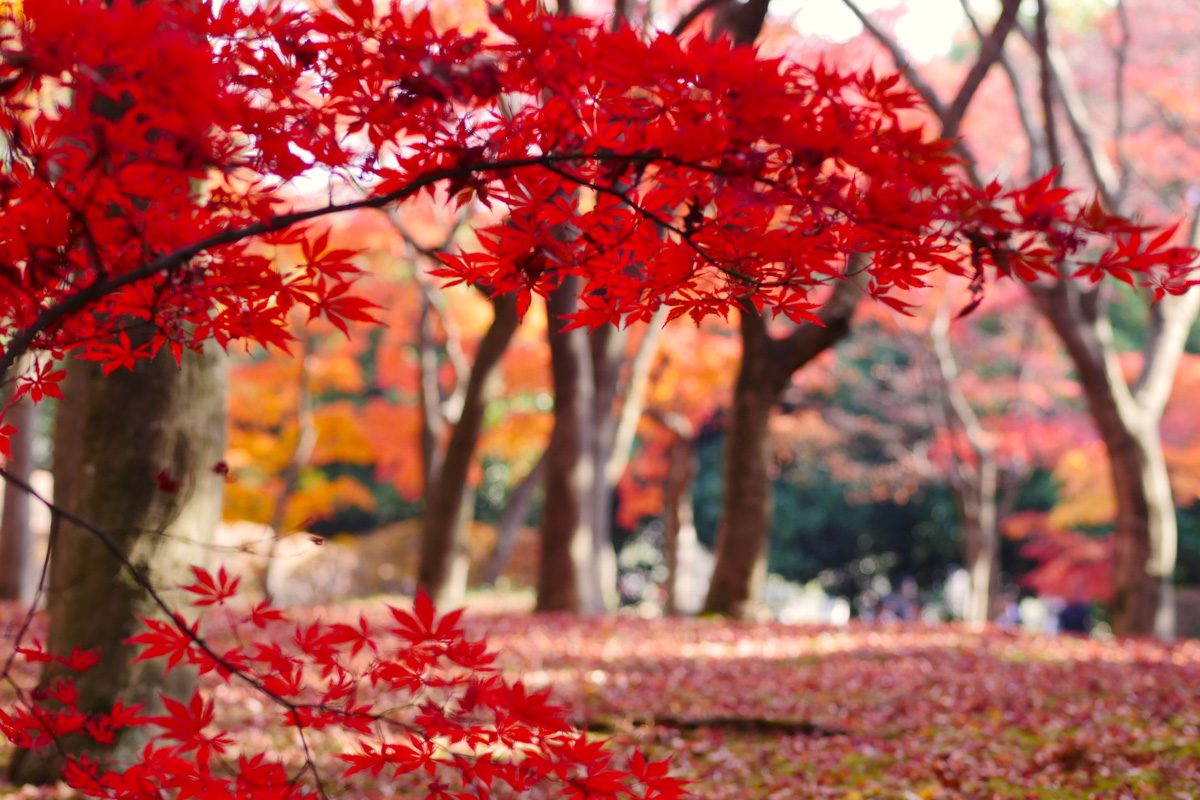
Tokyo's oldest Western-style park, wedged between the Imperial Palace moat and the skyscrapers. Maple and ginkgo frame the Tsuru-no-Fountain in warm amber in late November, surprisingly serene for such a central spot.
Reference ↗About 90 minutes from Tokyo (Odakyu Romancecar from Shinjuku to Hakone-Yumoto, then the Hakone loop of mountain train, cablecar, ropeway and pirate ship). The Hakone Free Pass covers all of it. Autumn peaks mid-to-late November at lake level (around Nov 15 to 20) and early-to-mid November higher up at Gora and Owakudani. Mt Fuji shows on clear days from Lake Ashi, the ropeway, and the lakeside torii.
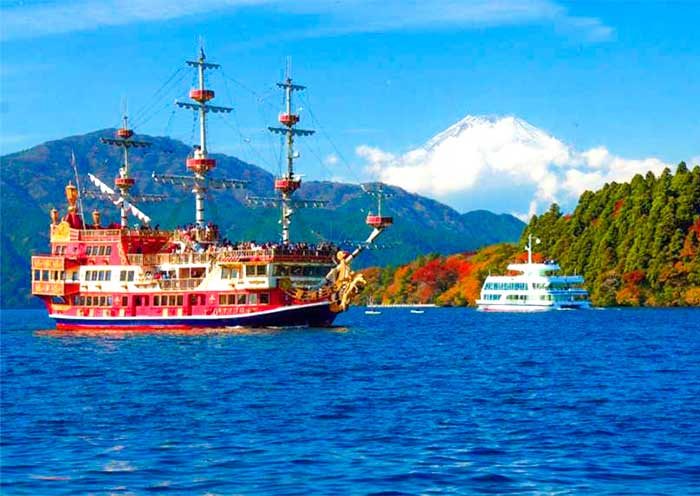
Galleon-styled ships sail the glassy caldera lake for 25 to 40 minutes, lining up the red Heiwa-no-Torii gate, autumn slopes and, on clear days, a snow-capped Fuji in one frame.
Reference ↗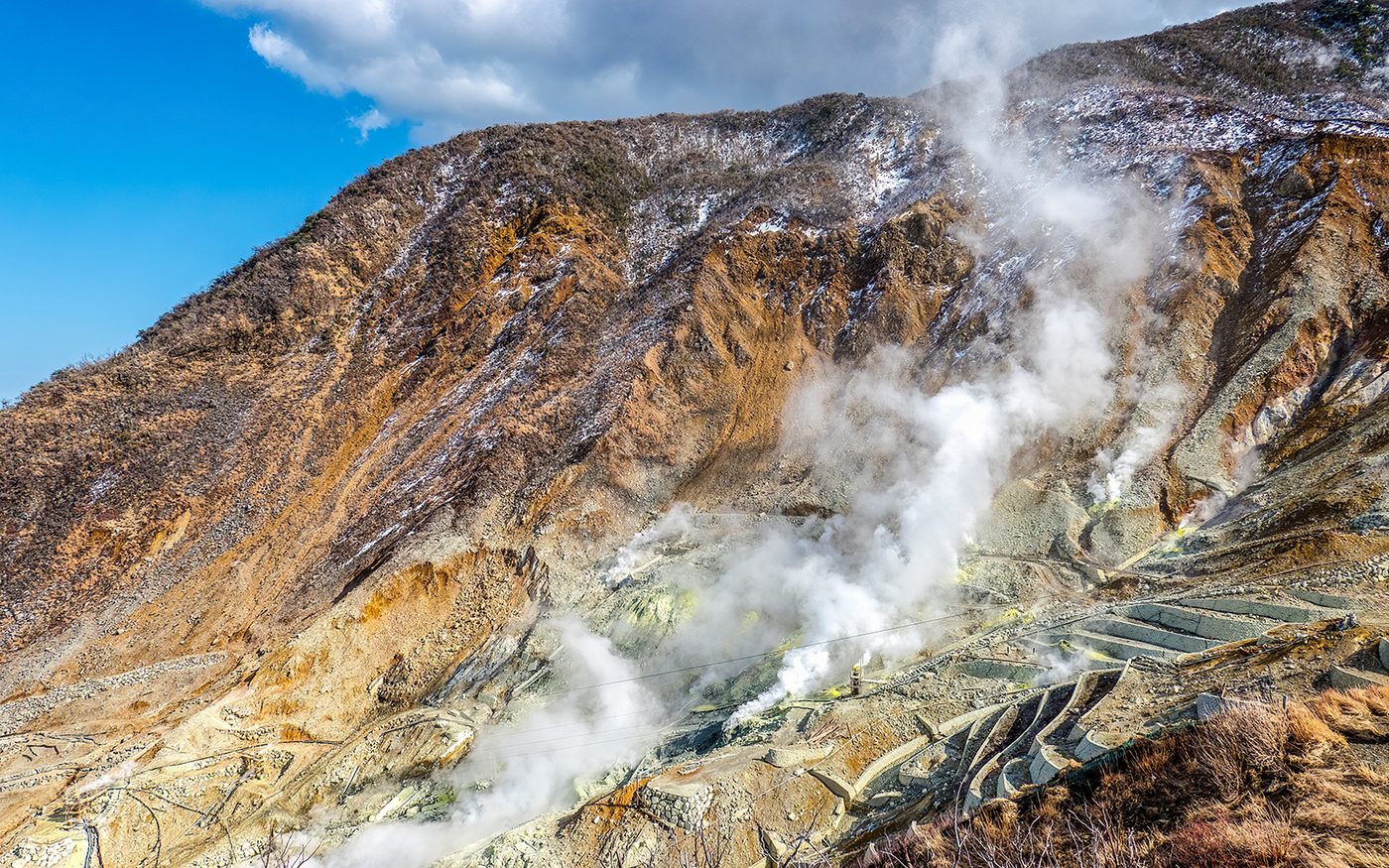
The ropeway glides over a sulphur-venting volcanic valley to window-filling views of Fuji, with maple-lit hillsides flaming below in November. Try the black eggs boiled in the hot springs.
Reference ↗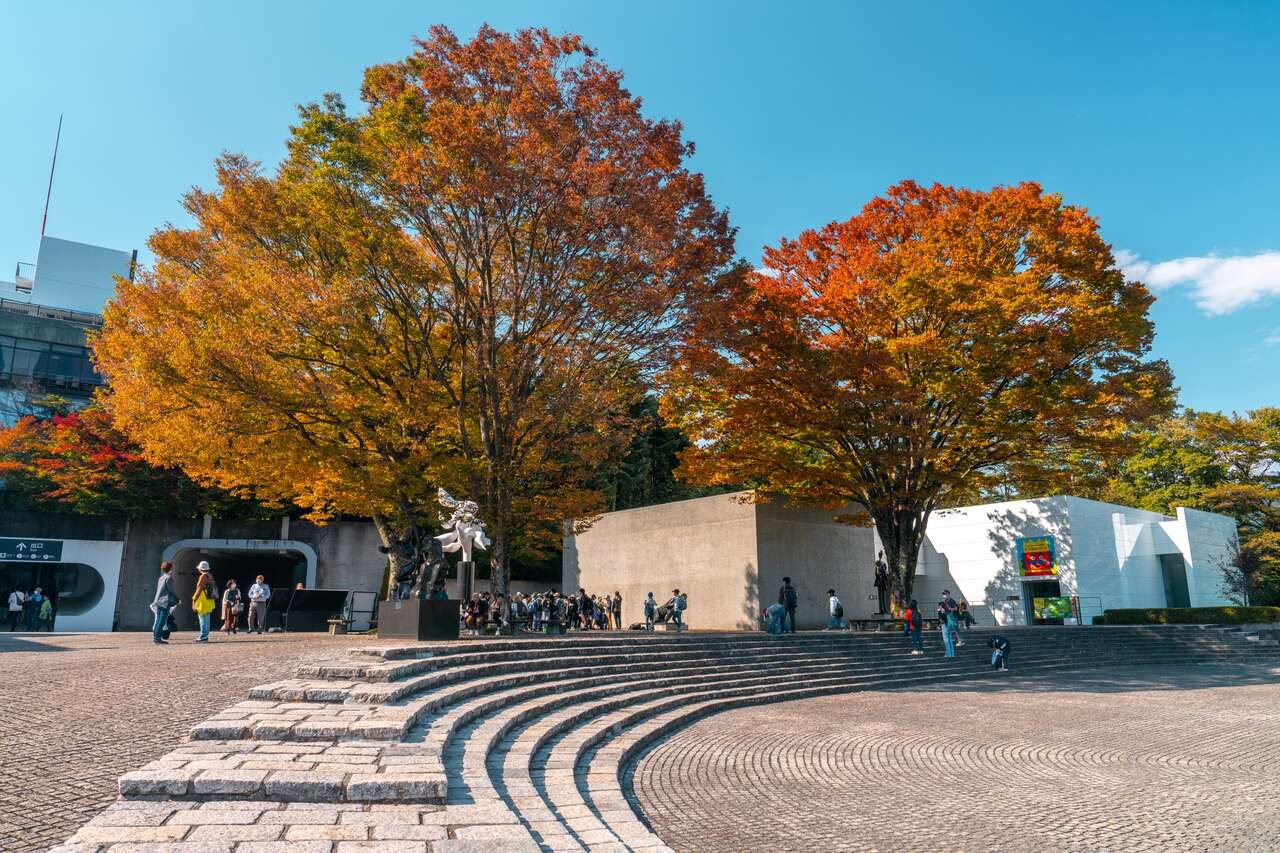
A seven-hectare sculpture park where Picasso, Moore and Rodin share the lawns with the Hakone mountains, the maples turning the whole garden into an art piece in November. There is even a foot-onsen mid-walk.
Reference ↗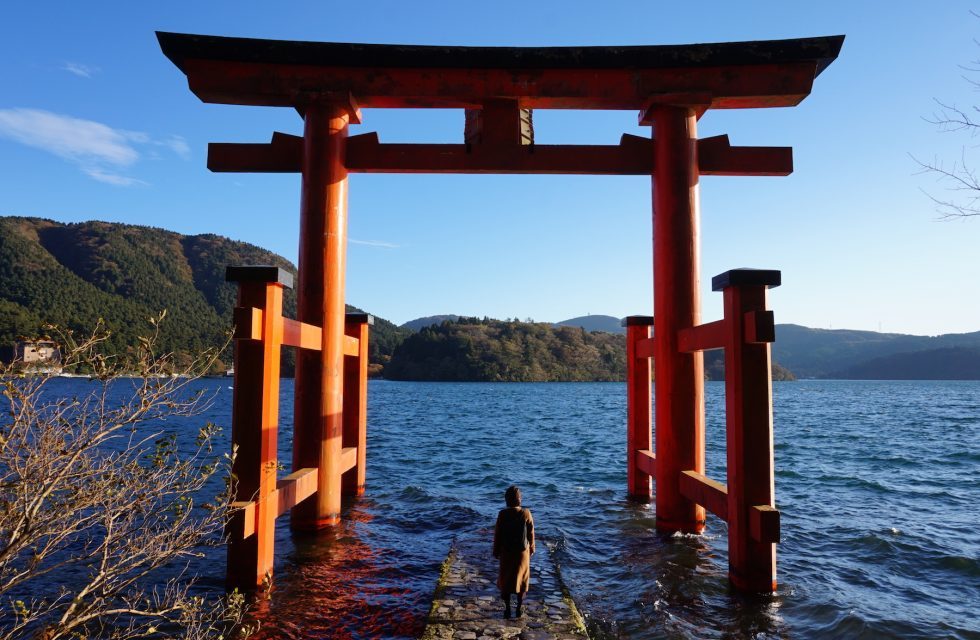
The vermilion gate stands ankle-deep in Lake Ashi, the most photographed spot in Hakone, especially at dawn when mist lifts off the water. The shrine sits in cedar forest glowing orange in mid-November.
Reference ↗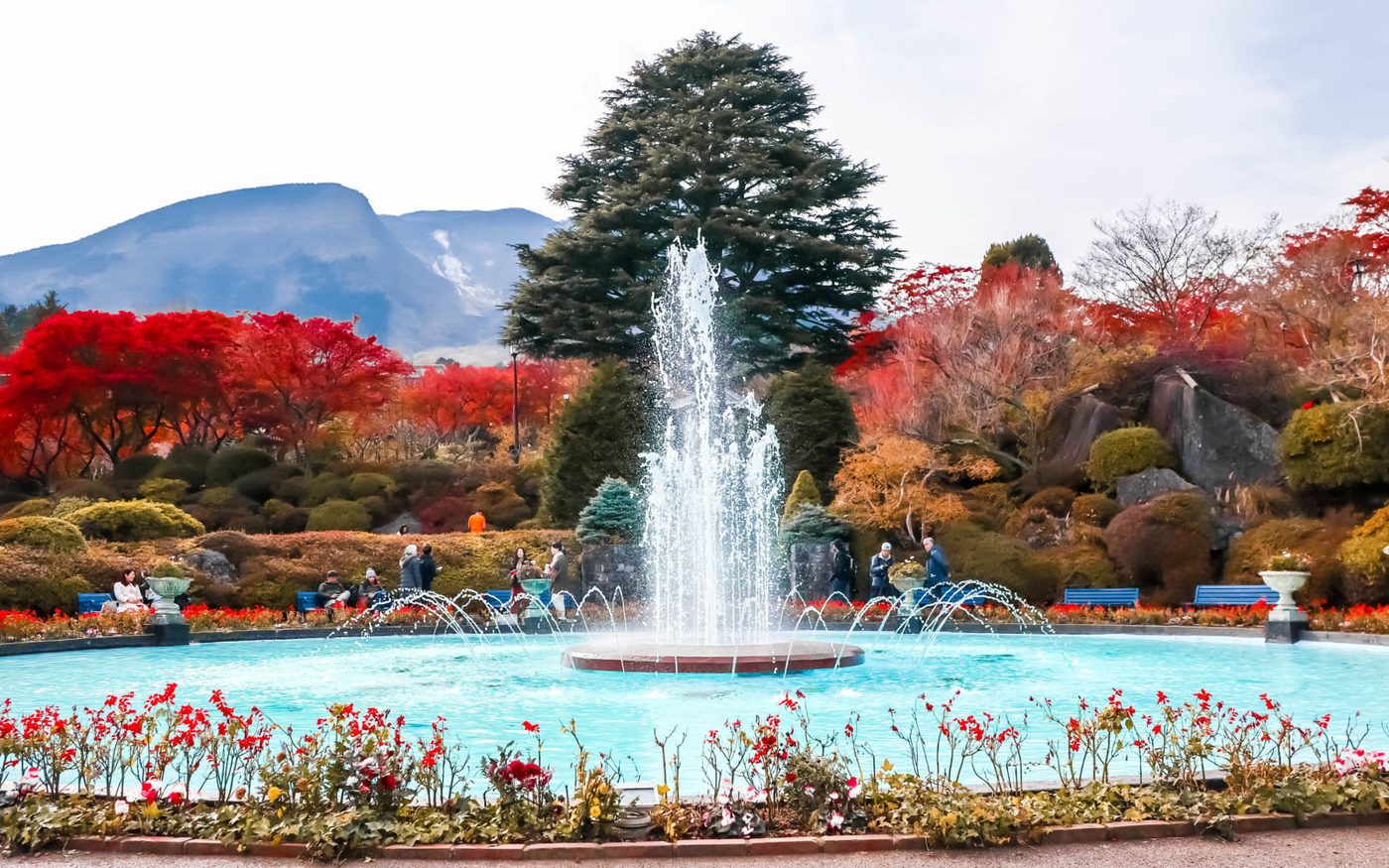
Japan's first French-style garden, built on a mountain slope in 1914: a geometric fountain plaza ringed by rose beds, with terraced lawns that go copper and crimson in mid-autumn.
Reference ↗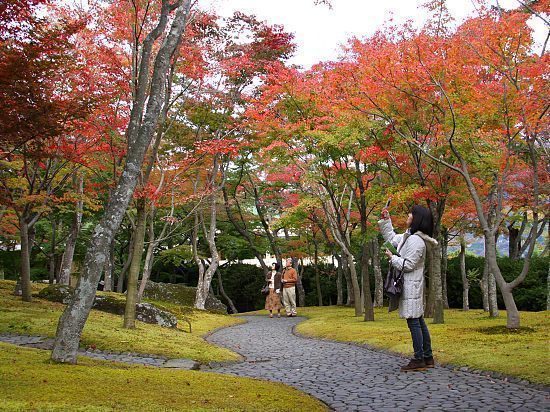
Under 200 Japanese maples, 130 species of moss form a glowing green carpet beneath a cathedral of fire-red canopy in mid-November. The most intimate autumn-foliage spot in Hakone.
Reference ↗Tokyo Disneyland sits at Maihama, about 15 to 25 minutes by train from central Tokyo. Book date-specific tickets through the official Tokyo Disney Resort app; popular days sell out and there are no gate sales. Premier Access (paid, per ride) skips the queue on headliners like Pooh's Hunny Hunt and Big Thunder Mountain. Weekdays in early-to-mid November are much quieter than weekends. The Christmas season (Nov 11 to Dec 25 in 2025) adds special parades and decorations.
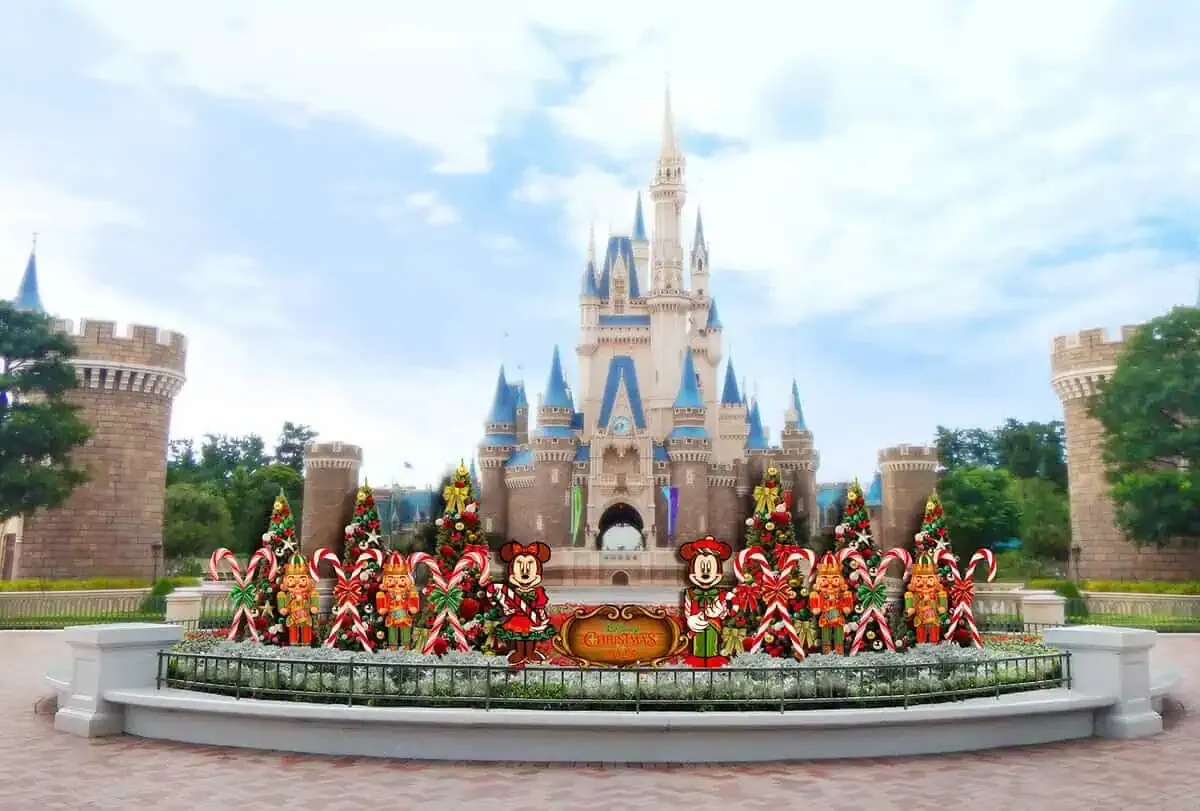
Cinderella Castle in Christmas lights, festive parades, and the Electrical Parade Dreamlights after dark. Tokyo Disney does the holidays at a level that shames most parks, and a November trip lands right in the Christmas season.
Reference ↗Day trip from Tokyo. Tobu limited express, Asakusa to Tobu-Nikko, about 2 hours (around 2,850 to 3,540 yen one way); the Tobu All-Area Pass bundles the return trip plus local buses. Autumn timing: the mountain and lake zone (Chuzenji, Senjogahara, Kegon) peaks mid-October to early November; the town and shrine area early-to-mid November. Go early November to catch both.
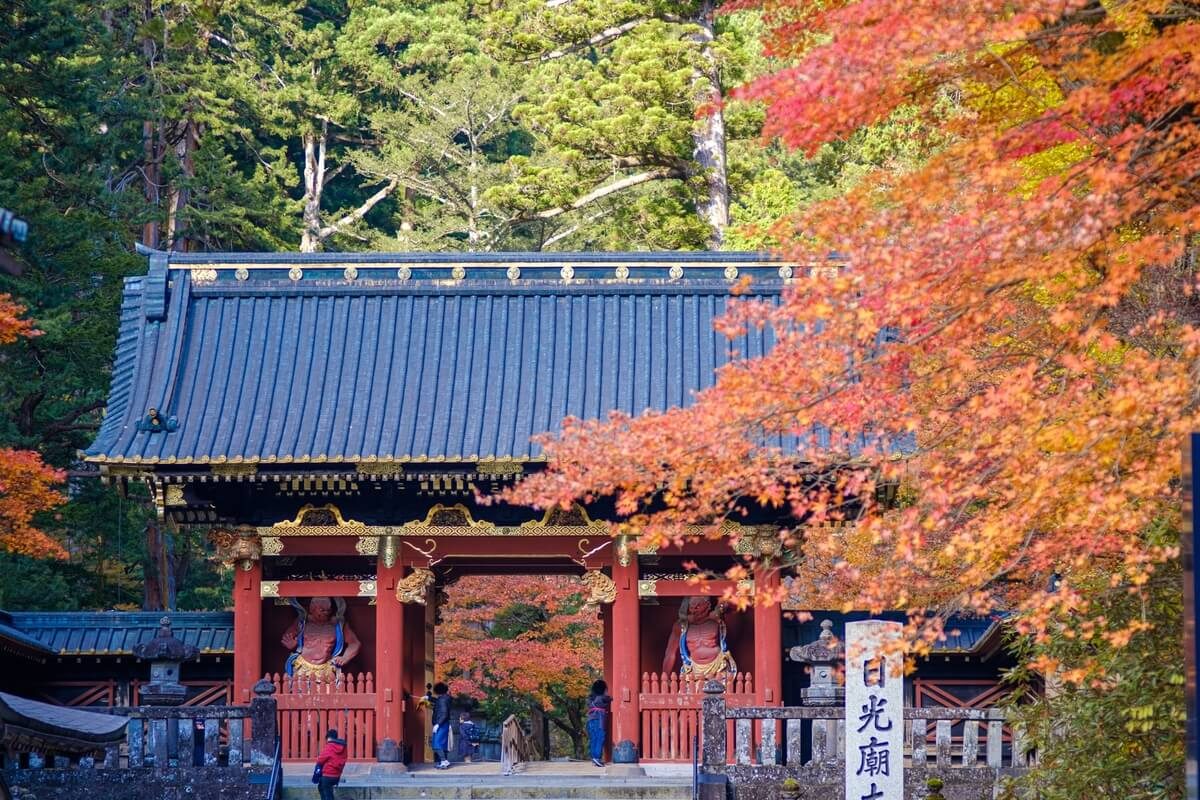
Japan's most ornate shrine: gilded carvings and cedar-lined paths set against a blaze of orange and crimson maple. Every fallen leaf on the stone-lantern path looks placed on purpose.
Reference ↗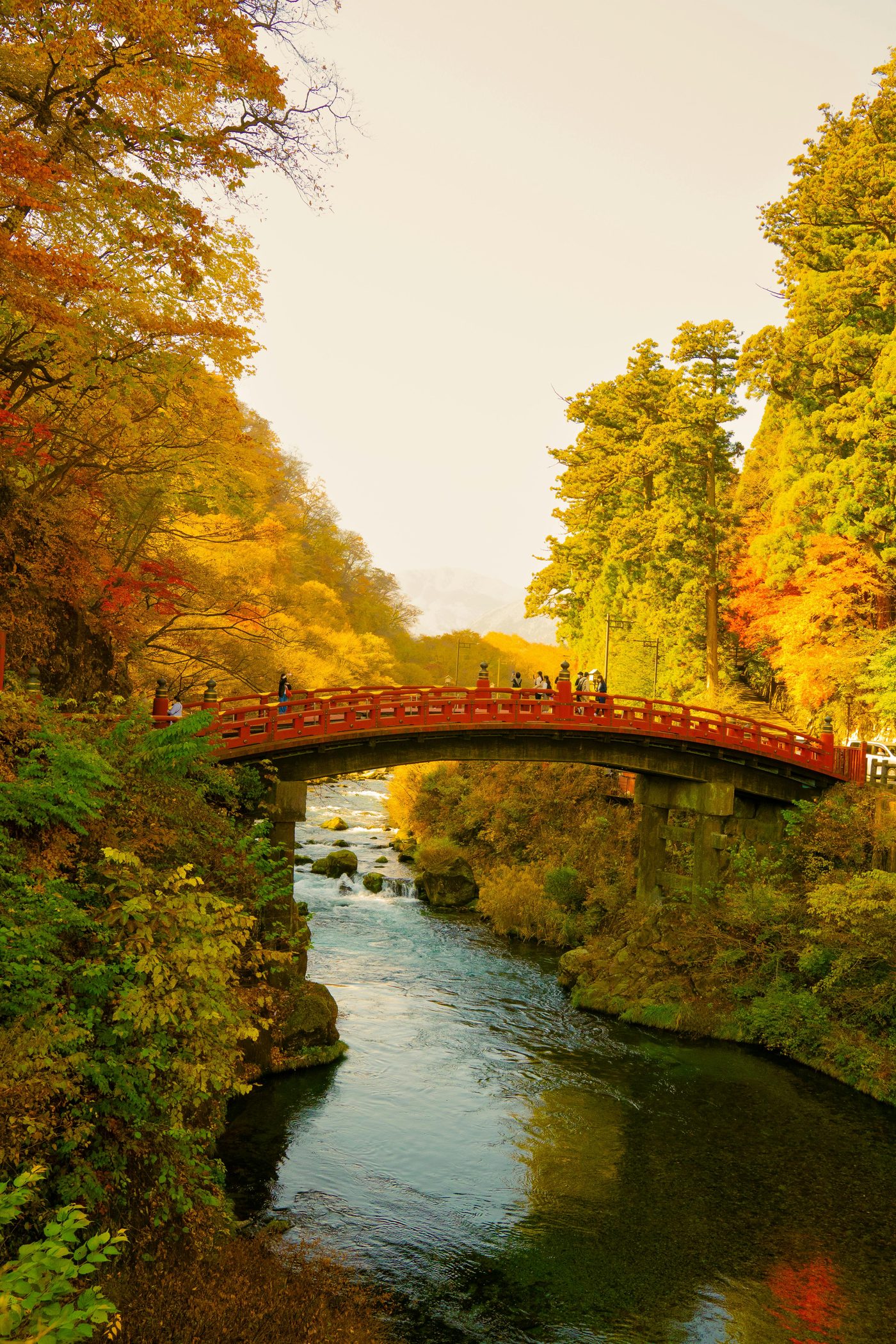
A cinnabar-red sacred bridge arcing over the Daiya River, framed by hillside maples in full flame. Shoot it for free from the public road bridge just to the east.
Reference ↗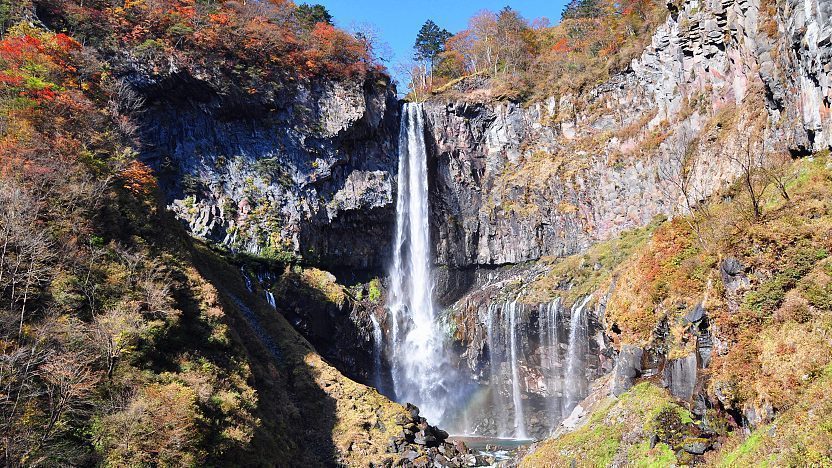
A 97-metre waterfall thundering through a gorge ringed with autumn colour. A small elevator drops you to a misty lower deck for the surreal money shot.
Reference ↗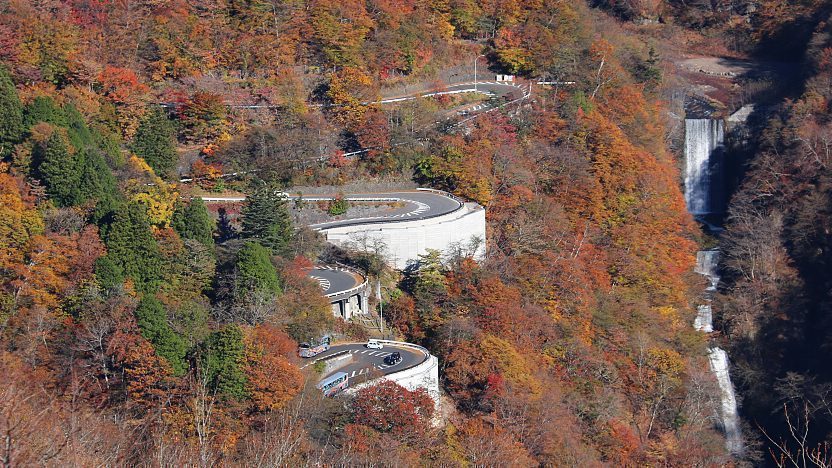
Forty-eight hairpin curves climbing through a tunnel of red-and-gold maple, one of Japan's great autumn drives. The Akechidaira deck at the top opens onto the whole valley ablaze.
Reference ↗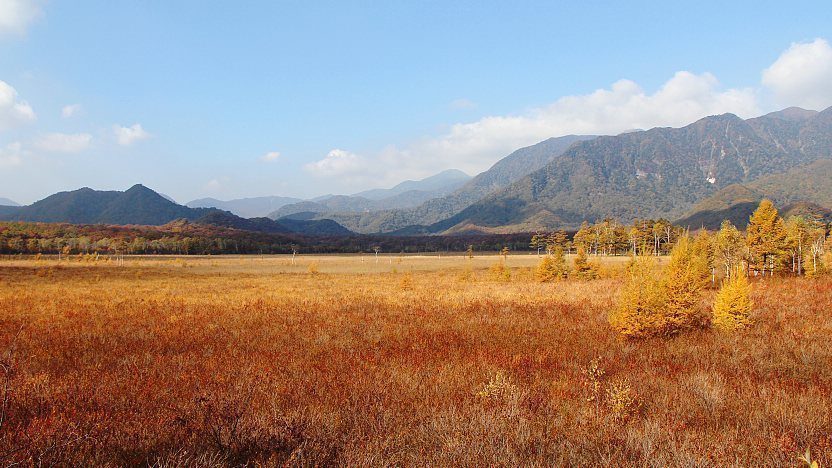
A high mountain lake that mirrors the autumn peaks, with the golden Senjogahara marshland and its boardwalk trail next door. Two completely different shots in one stop.
Reference ↗Day trip from Tokyo. Best route: JR Fuji Excursion limited express, Shinjuku to Kawaguchiko, about 1h45 (reserved seat, around 4,000 yen, not covered by a JR Pass). Cheapest: Shinjuku highway bus, around 1,800 yen, book ahead in autumn. The Fujikawaguchiko Momiji Festival ran all of November in 2025 and is typically similar; leaf colour peaks mid-to-late November.
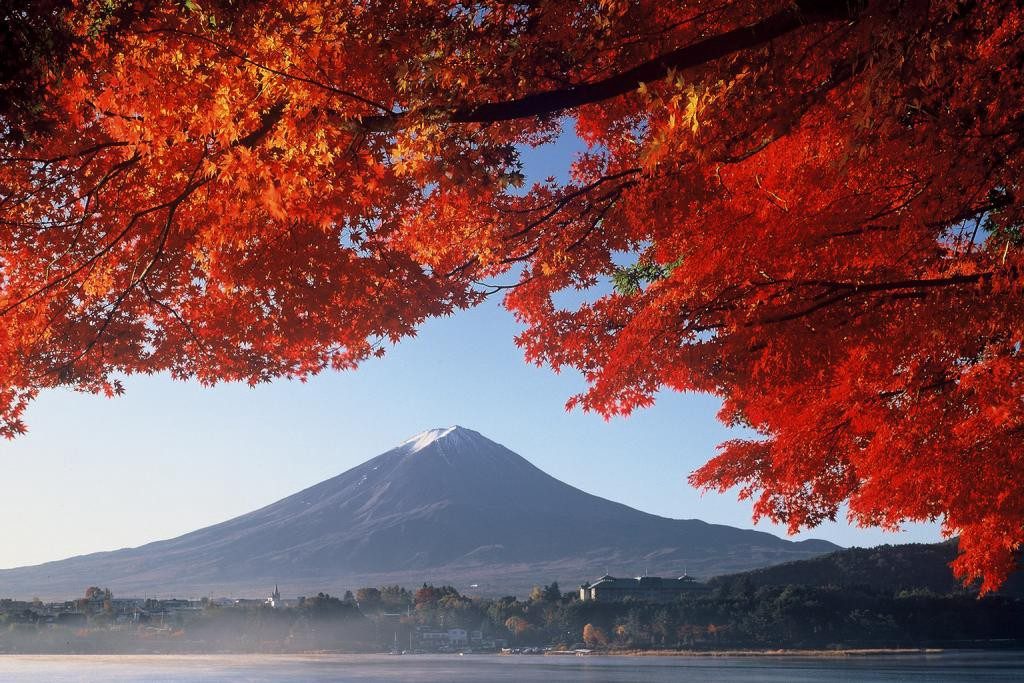
Around 500 maples arch over a lakeside path on Kawaguchi's north shore, lit warm at night during the month-long autumn festival. Colour, food stalls and night photography in one easy walk.
Reference ↗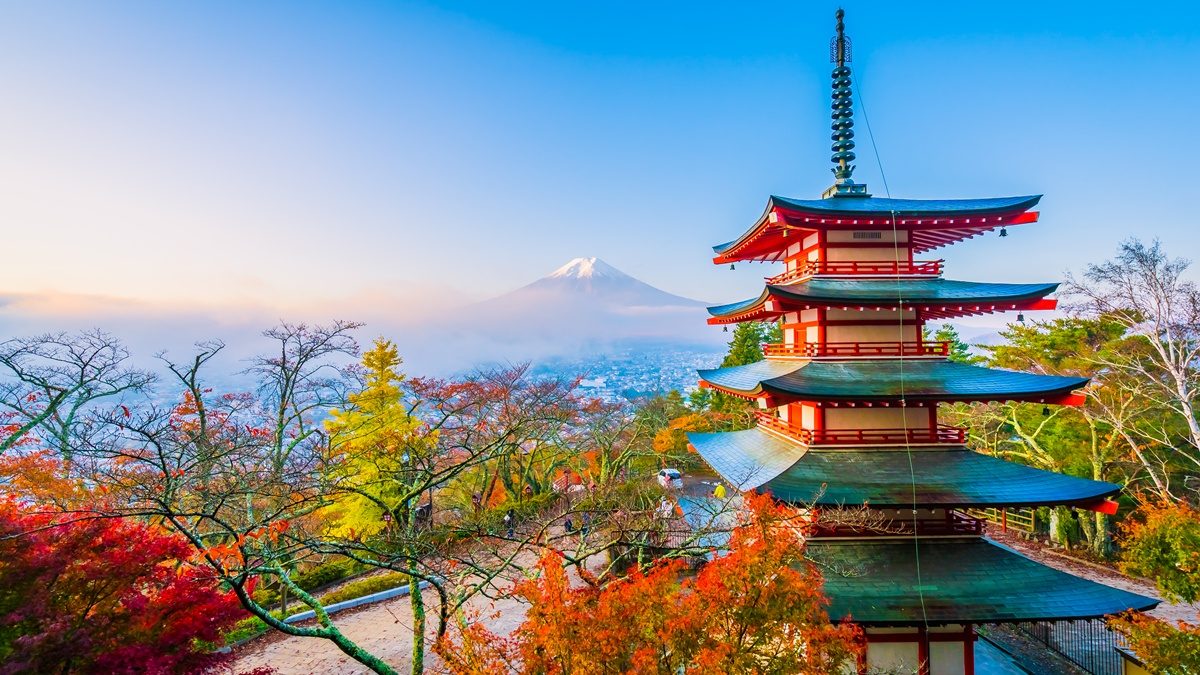
The iconic Japan shot: a five-storey vermilion pagoda, autumn maples, and the perfect cone of Fuji behind. Climb the 400 steps early for clean light and thin crowds.
Reference ↗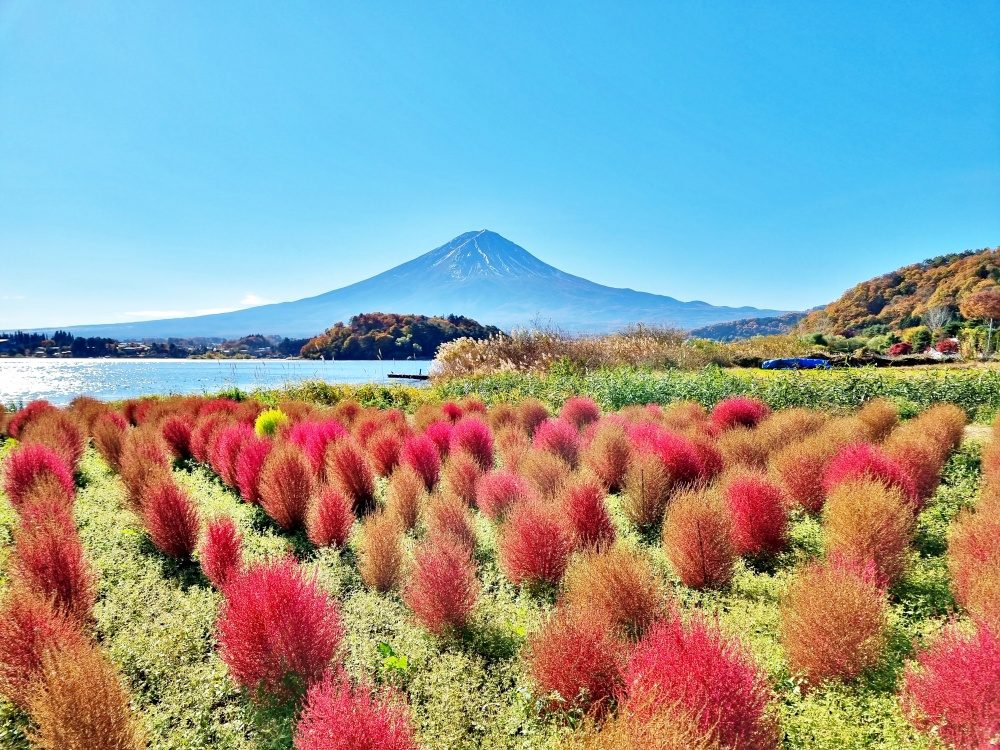
Possibly the cleanest lake-level view of Fuji: red kochia bushes in front, the lake as a mirror, the mountain dead centre. Photographers arrive at first light for good reason.
Reference ↗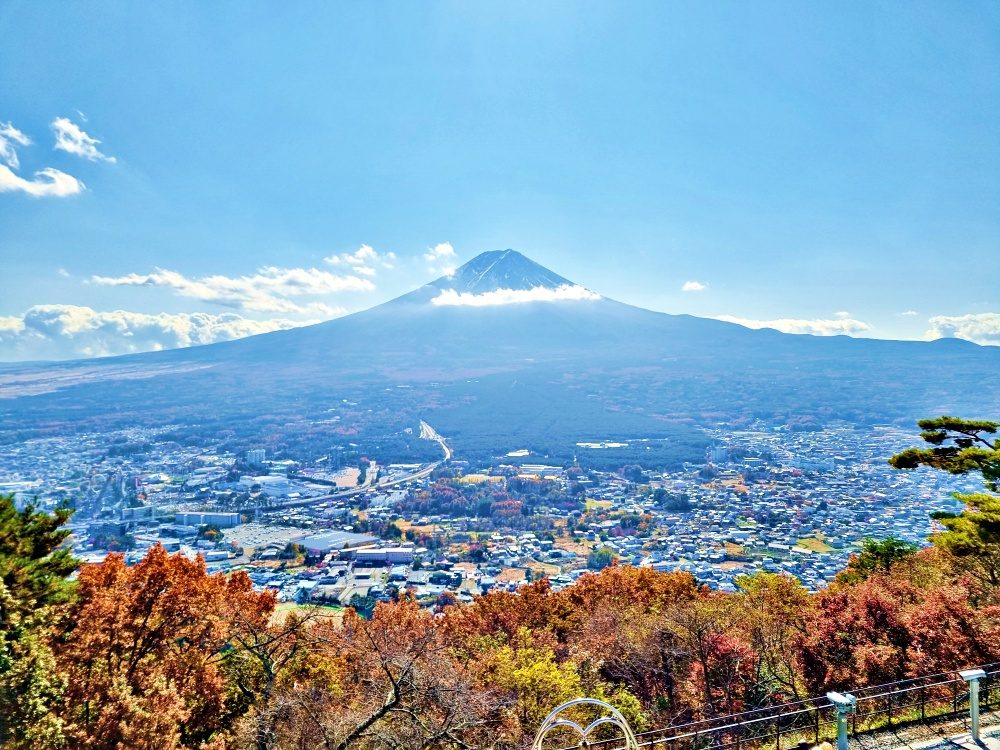
A three-minute cable car to Tenjozan Park for a bird's-eye view of the lake and Fuji's north face wrapped in autumn canopy. Go on a clear morning.
Reference ↗Strongest autumn colour in the city: Tokyo Tower / Shiba Park, Omotesando avenue, and the Senso-ji ginkgo, all peaking late November. Strongest pure photo spots: Shibuya Sky for the aerial scramble, Akihabara and Ginza at dusk, Senso-ji at dawn, and the teamLab Planets interiors.
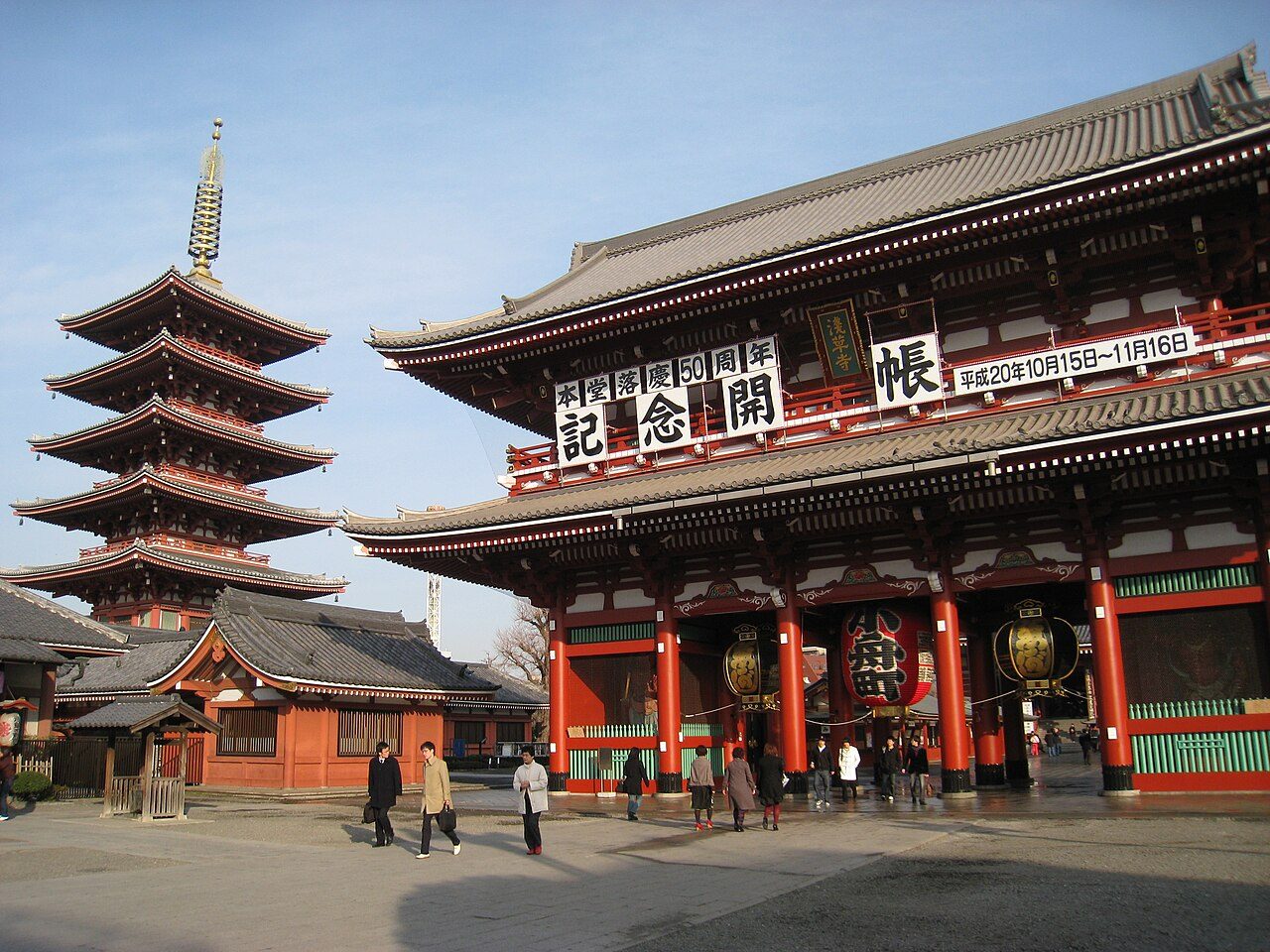
Tokyo's oldest temple: the Kaminarimon lantern gate opening onto the Nakamise lane and a five-storey pagoda. In late November the ginkgo trees flanking the grounds turn gold.
Reference ↗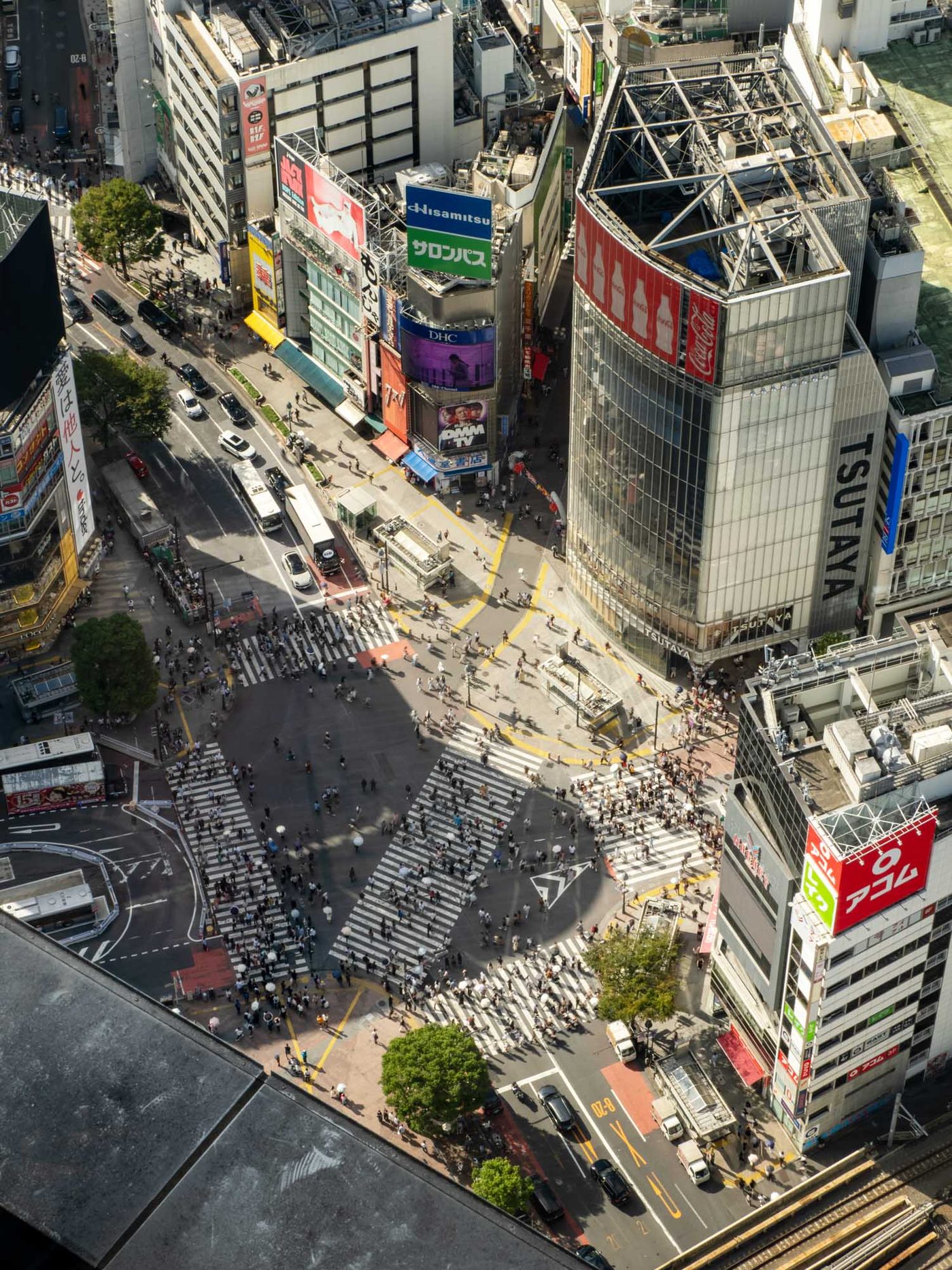
The world's busiest crossing is great from street level, but the open-air Shibuya Sky rooftop at 229m is the jackpot: straight down on the scramble with the skyline to the horizon. Best at the golden-to-blue hour.
Reference ↗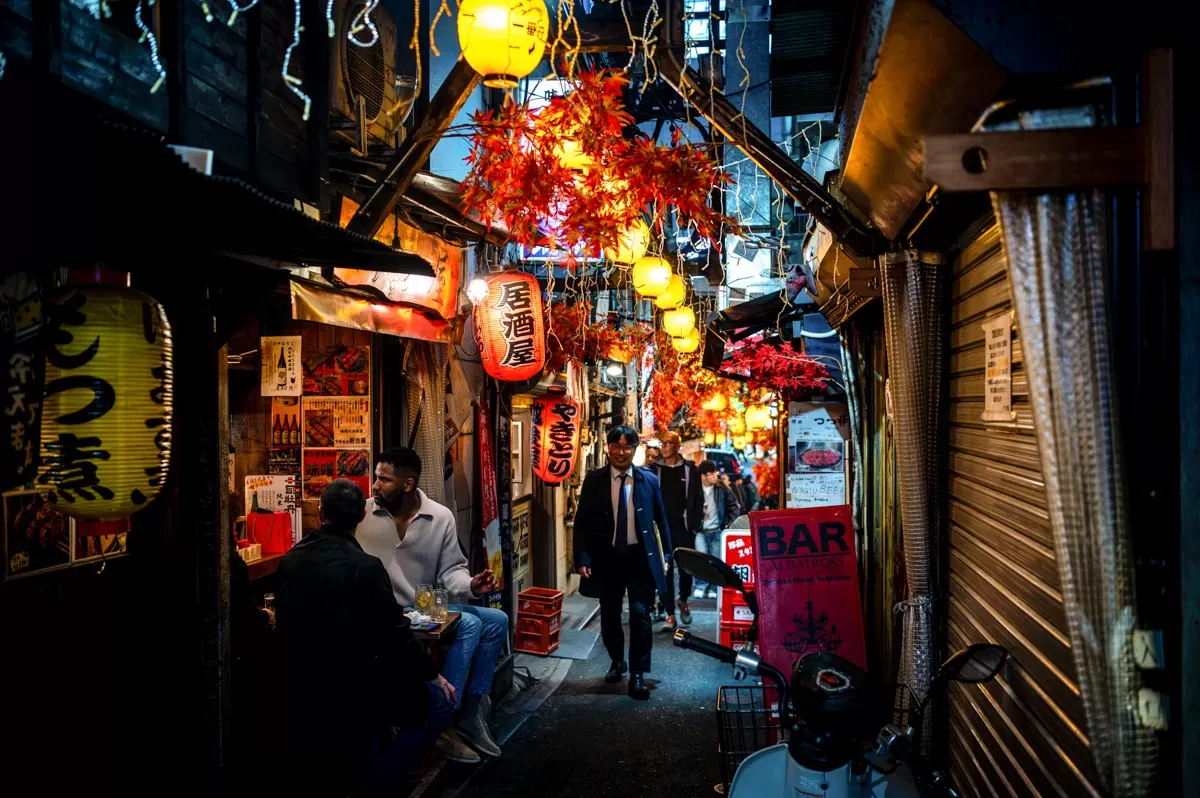
By day, the free observation lounge atop the Metropolitan Government Building gives a huge city panorama. After dark, Omoide Yokocho is a narrow lantern-lit alley of tiny yakitori bars, one of Asia's most atmospheric photo lanes.
Reference ↗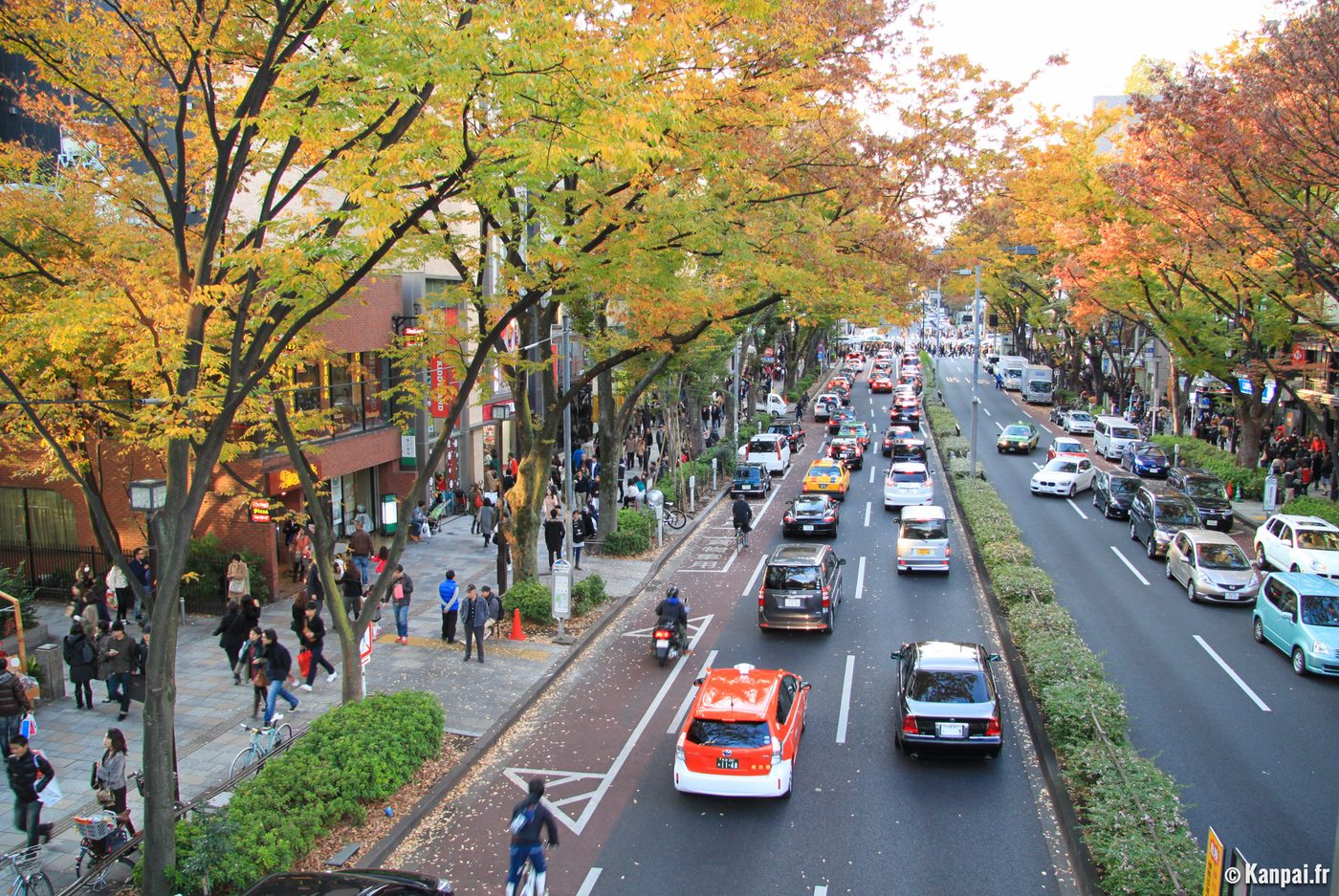
Takeshita Street is a candy-coloured blast of youth fashion and crepe shops; Omotesando, Tokyo's Champs-Elysees, becomes a golden tunnel of zelkova trees in November. One of the city's best autumn-colour walks.
Reference ↗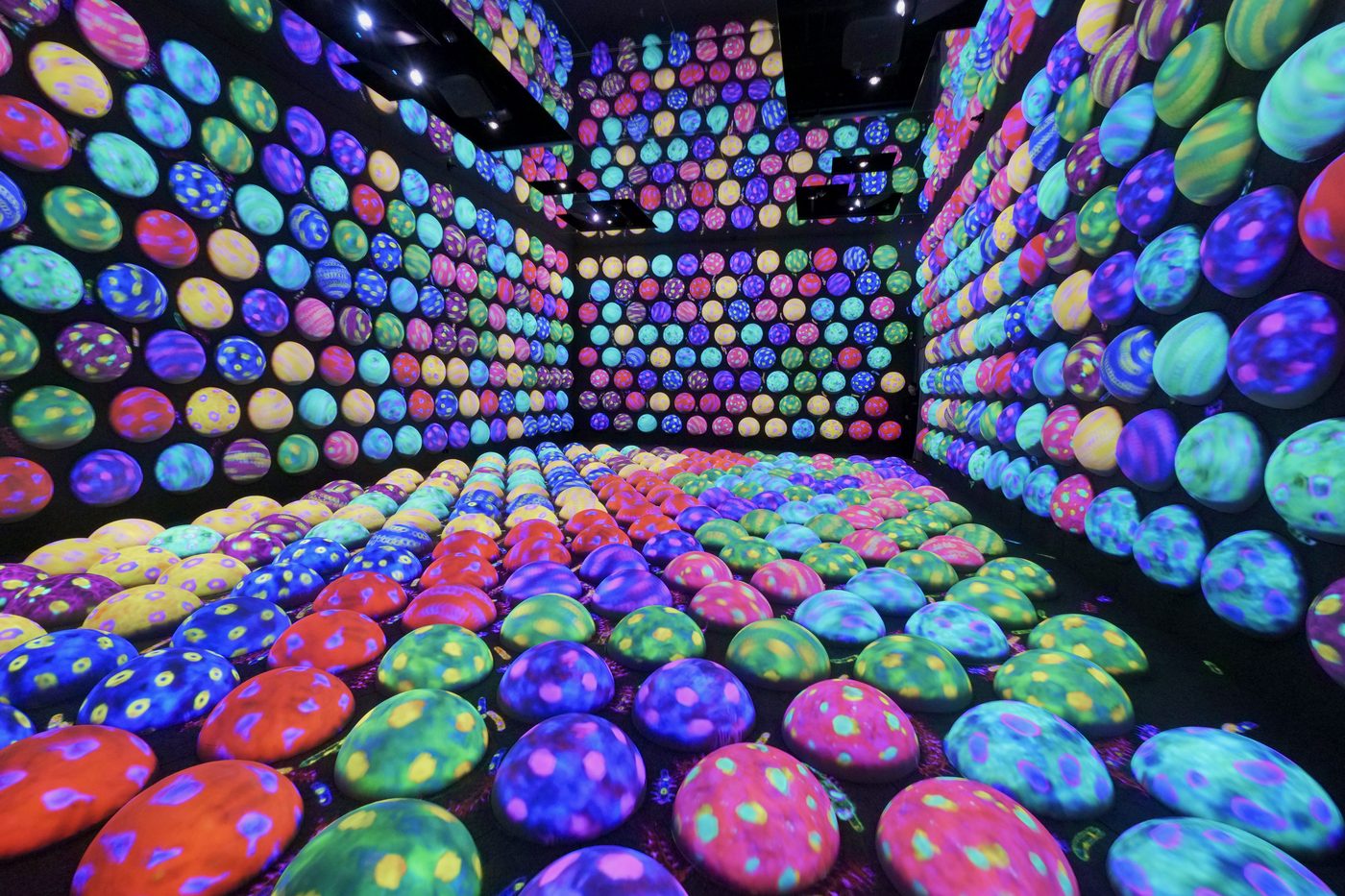
Wade ankle-deep through a mirror-floored water room, then get swallowed by hanging orchids and luminous koi that react to your presence. One of the most photogenic interiors in Japan; book well ahead.
Reference ↗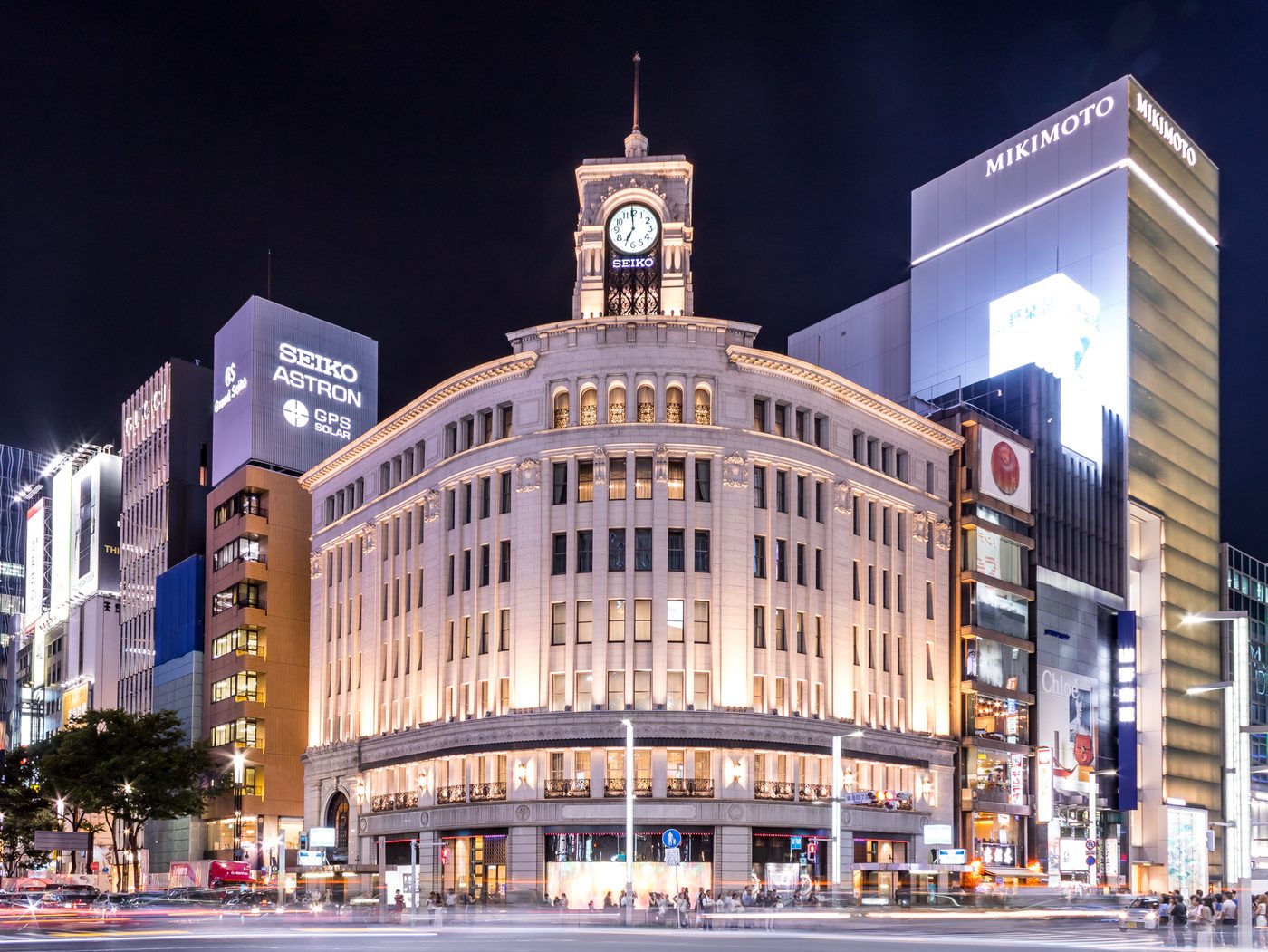
Tokyo's most polished shopping precinct, best at dusk when the flagship boutiques and the Wako clock tower glow against a deep blue sky. On weekends Chuo-dori goes car-free.
Reference ↗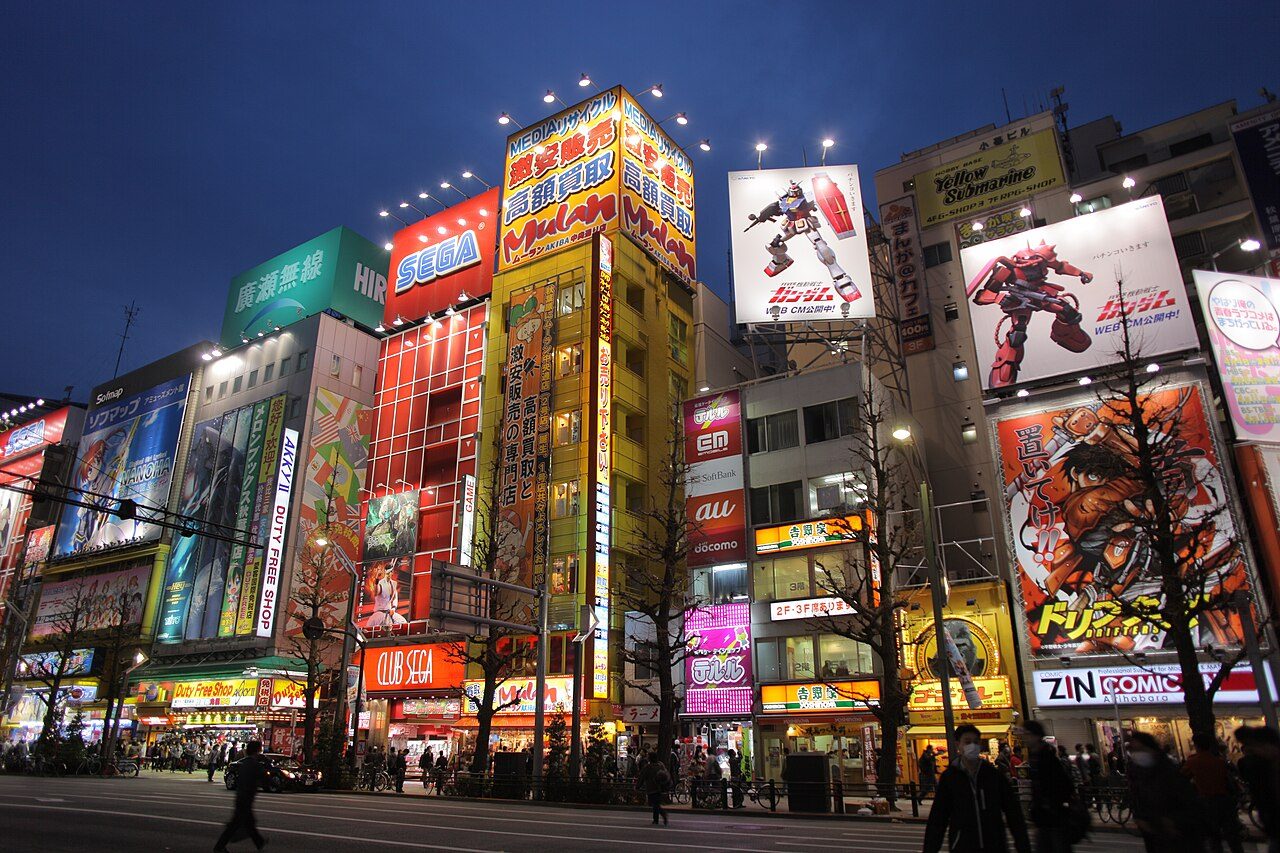
A vertical wall of neon signs, anime billboards and game-centre screens, pure sensory overload that turns into a photographers' playground at twilight when artificial light meets the last of the sky.
Reference ↗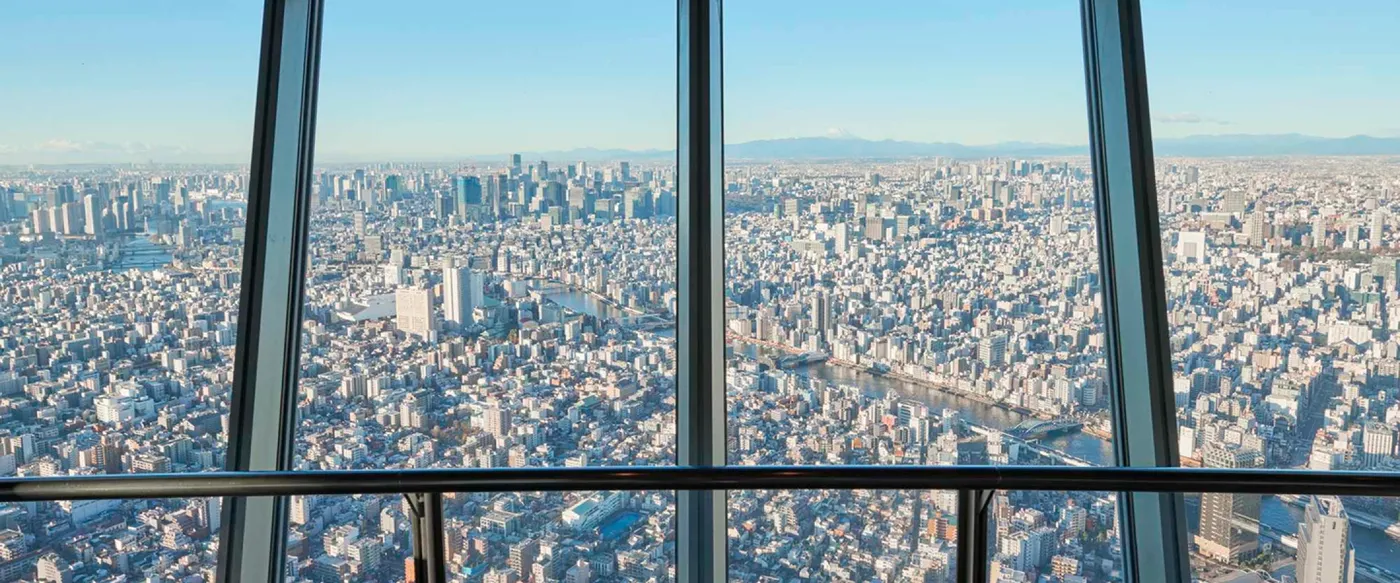
Japan's tallest structure at 634m, with decks at 350m and 450m giving 360-degree views as far as Mt Fuji on clear days. For the exterior shot, walk to Sumida Park where the tower reflects in the river.
Reference ↗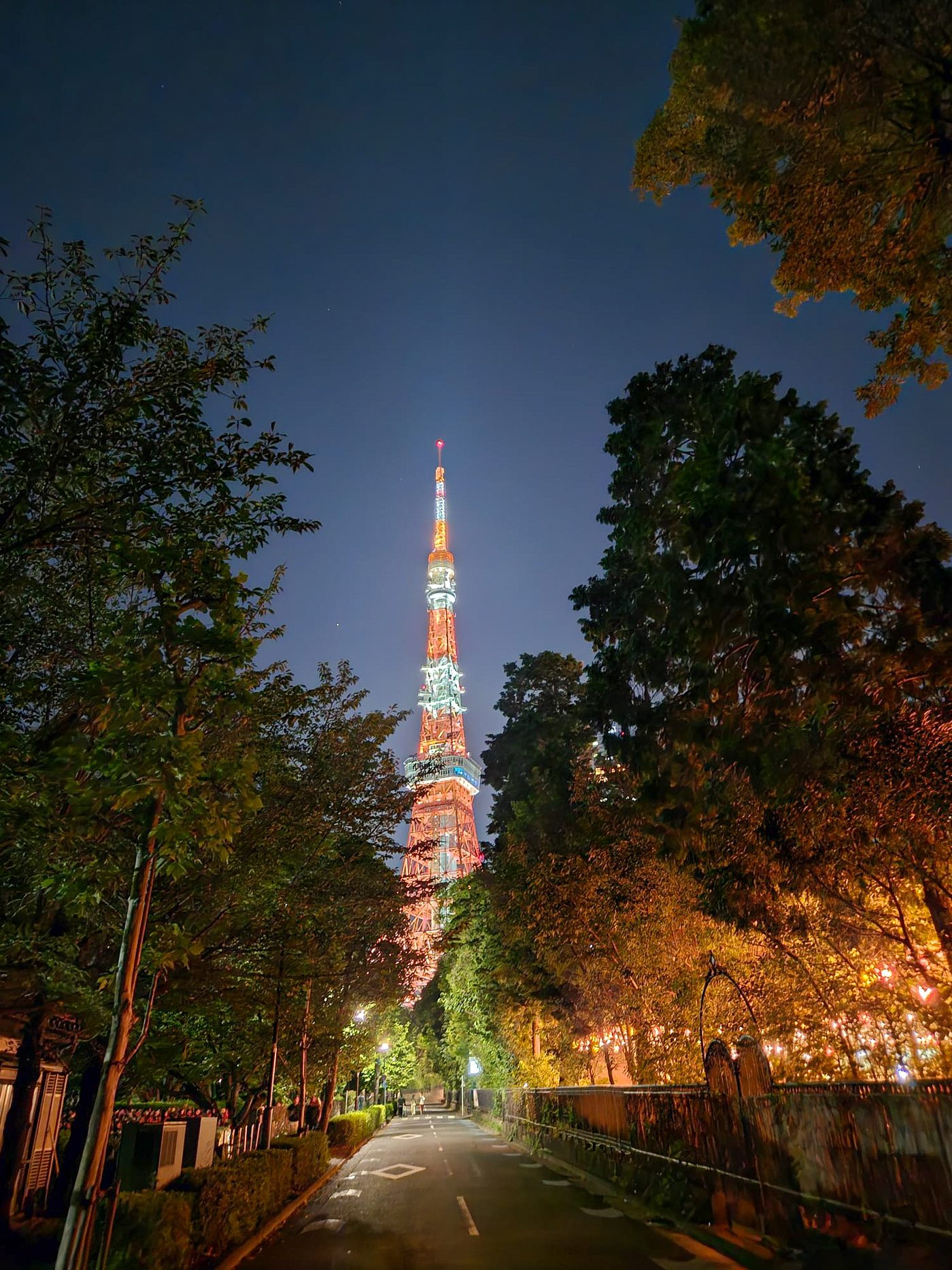
The orange lattice tower is good from afar, but the payoff is Shiba Park beneath it, where ginkgo trees turn brilliant gold in late November and frame the tower in autumn colour.
Reference ↗Tokyo eats span 300-yen market snacks to Michelin counters. The famous sushi and tempura counters need booking a few weeks out, with lunch the easier and cheaper way in; conveyor sushi, ramen and the izakaya alleys are all walk-in. Your Hakone ryokan dinner already covers a full kaiseki experience, so Tokyo is the place to graze widely.
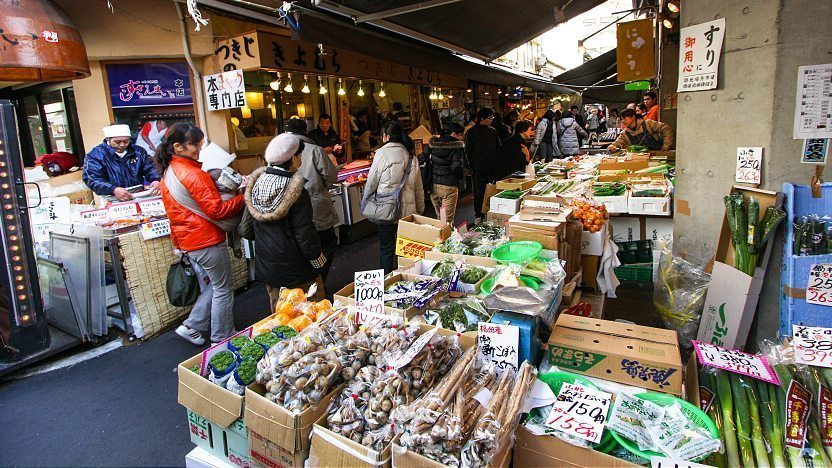
A 400-stall market running on fishmongers' energy from dawn: grilled scallops, tuna sashimi, tamagoyaki egg sandwiches and fresh oysters, elbow to elbow. Go 8 to 11am before the best stuff sells out.
Reference ↗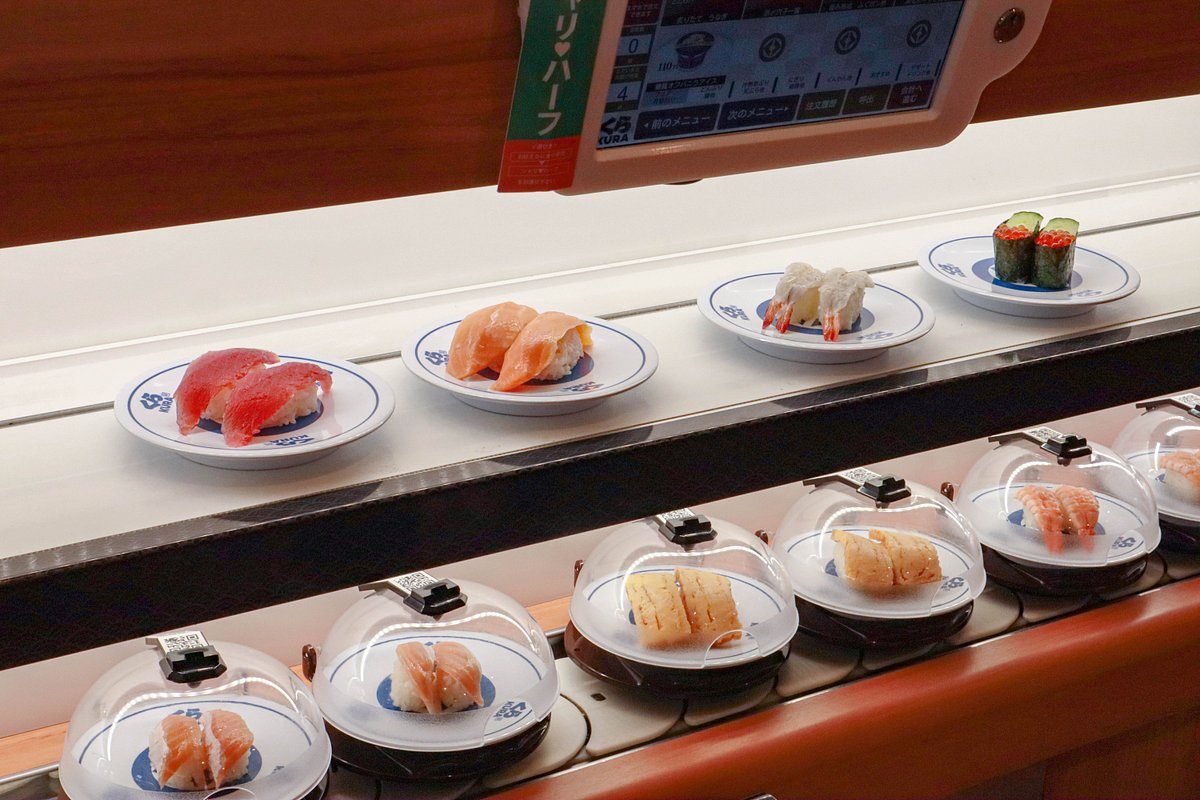
The flagship of Japan's most tourist-friendly sushi chain, right by Tsukiji and open 24 hours: counter seating, English menus, tuna sourced daily from Toyosu. No three-month waitlist.
Reference ↗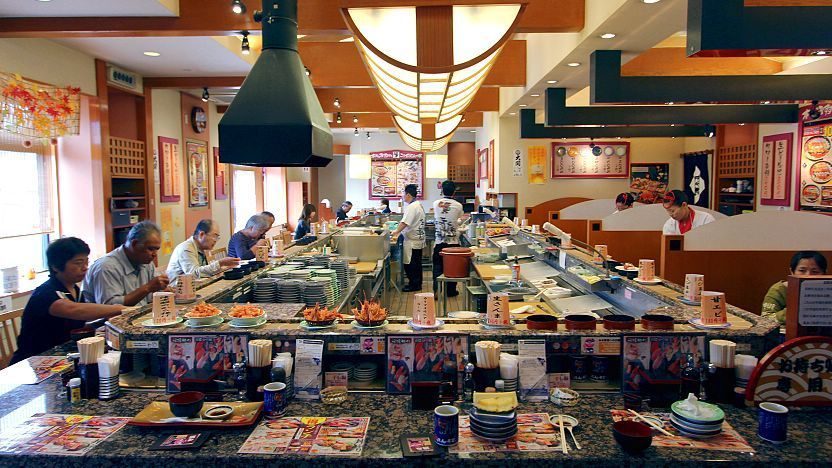
Ranked Tokyo's top conveyor-belt sushi: Hokkaido-sourced fish on a sleek belt in a basement spot inside Tokyo Station. The quality-to-price ratio is absurd and the queue moves fast.
Reference ↗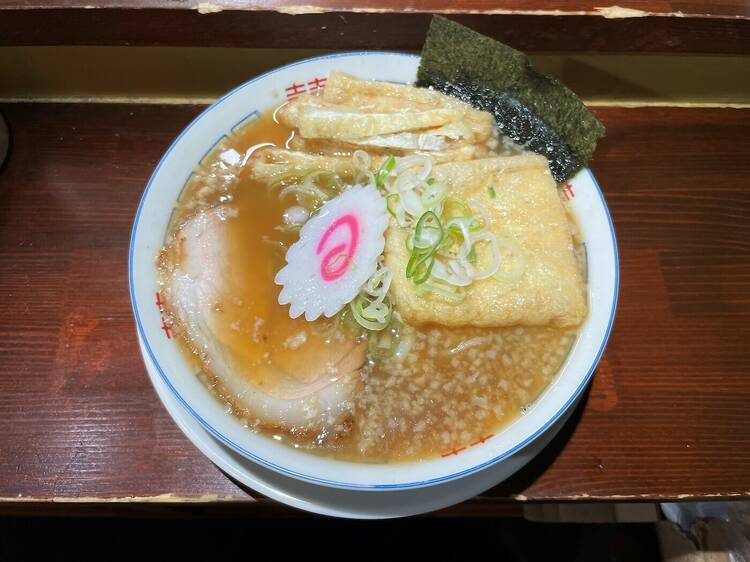
Eight of Tokyo's most celebrated ramen shops in one basement arcade under Tokyo Station, from rich tonkotsu to delicate shio. Perfect for the evening you get back from a day trip.
Reference ↗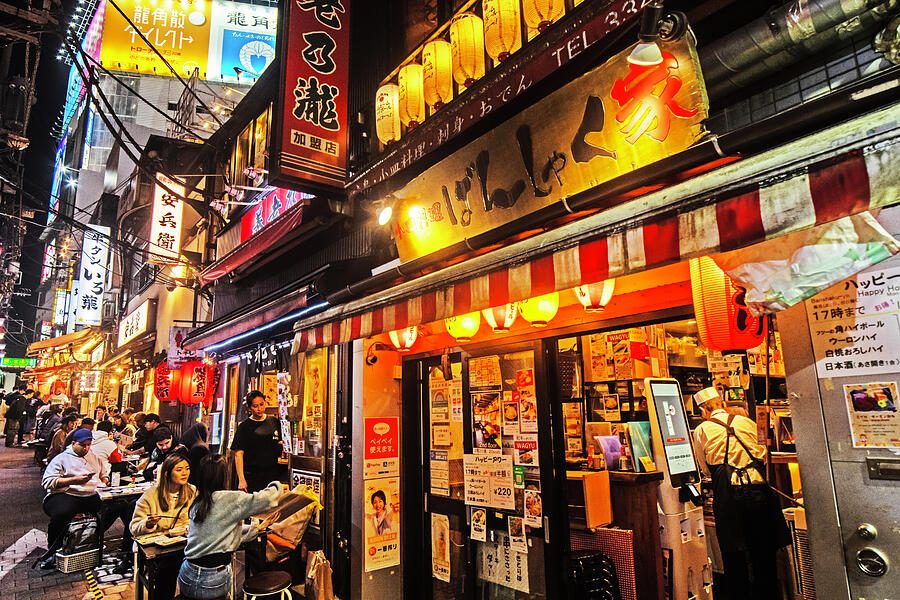
A 60-stall alley of wood-smoke and red lanterns by Shinjuku Station's west exit, unchanged since the postwar years. Squeeze onto a stool, order yakitori and cold Sapporo, and go after 7pm when it peaks.
Reference ↗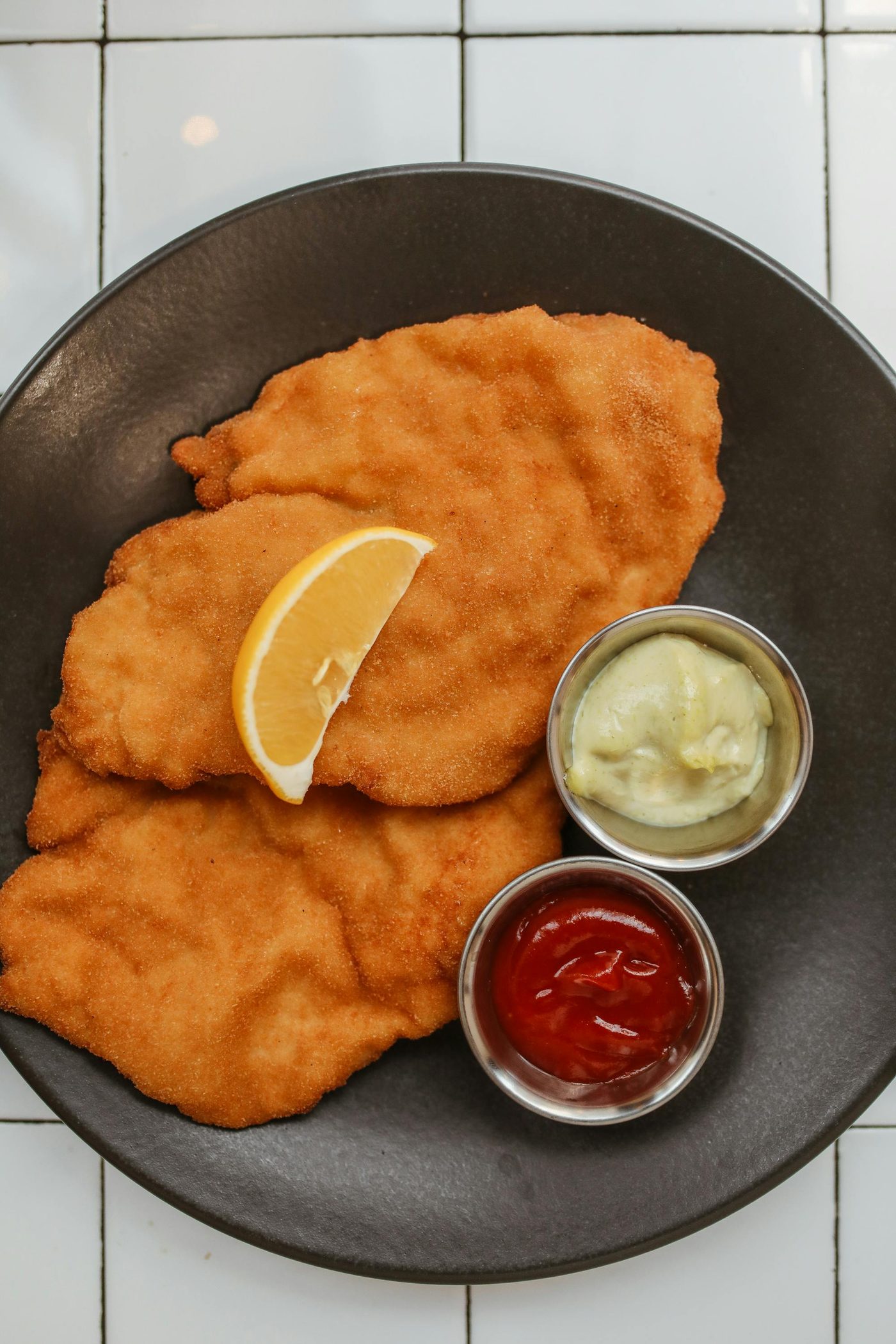
Two Michelin stars: chef Fumio Kondo's sweet-potato tempura is famous, and watching him work the copper pots from the counter is half the meal. Book a month ahead; lunch sets are the accessible way in.
Reference ↗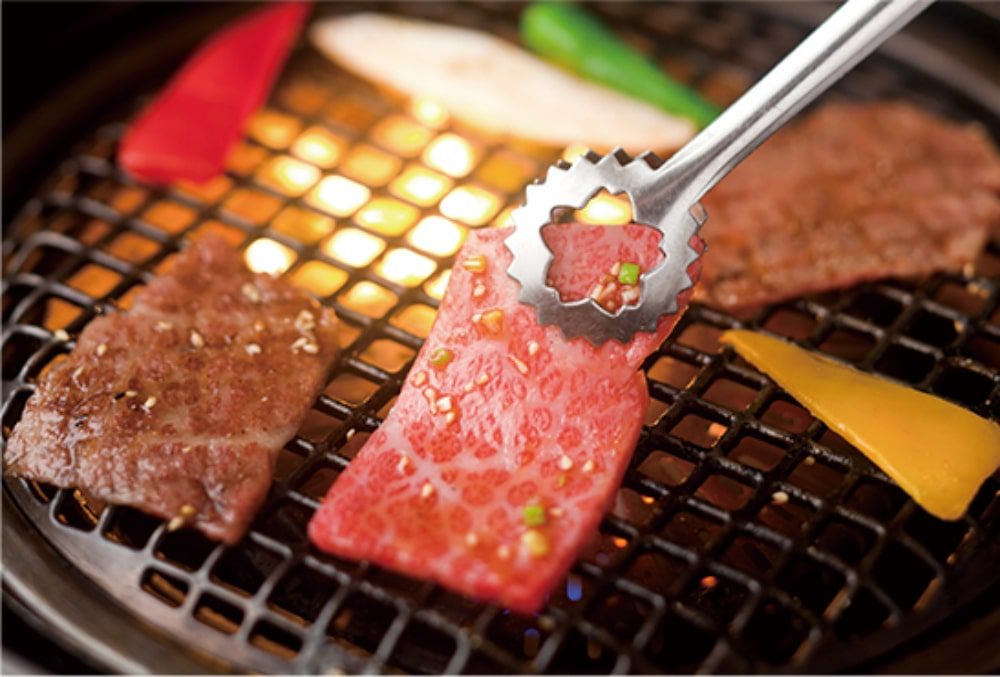
A-5 wagyu grilled table-side over charcoal is one of Japan's great shared meals. Pick a proper (not all-you-can-eat) yakiniku spot near Shinjuku for 5,000 to 9,000 yen a head and taste what marbling does.
Reference ↗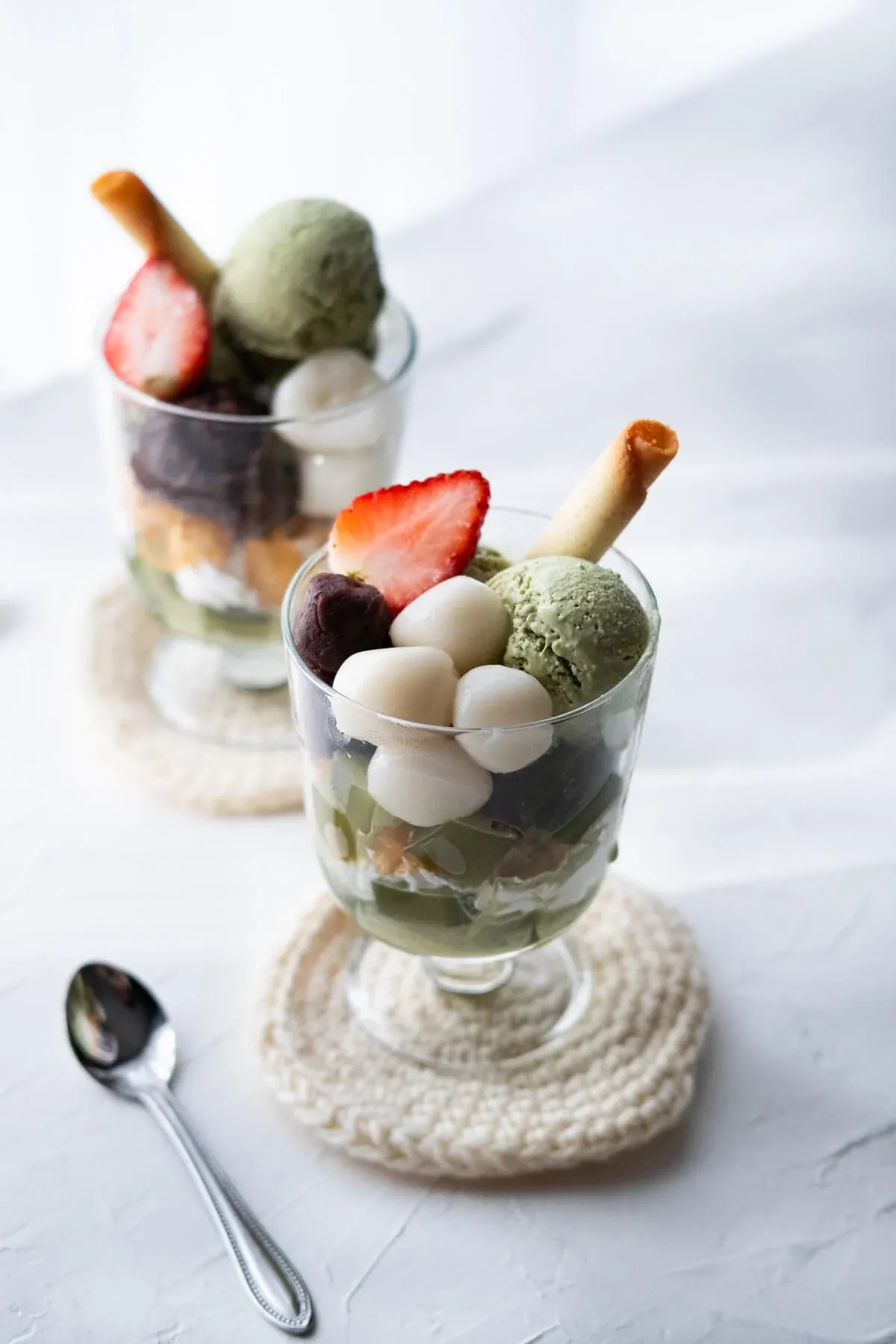
A 300-year-old Kyoto tea house with a Tokyo Station outpost, serving elegant matcha sweets and tea-based sets in a refined counter setting. The matcha jelly and parfaits are as photogenic as they are good.
Reference ↗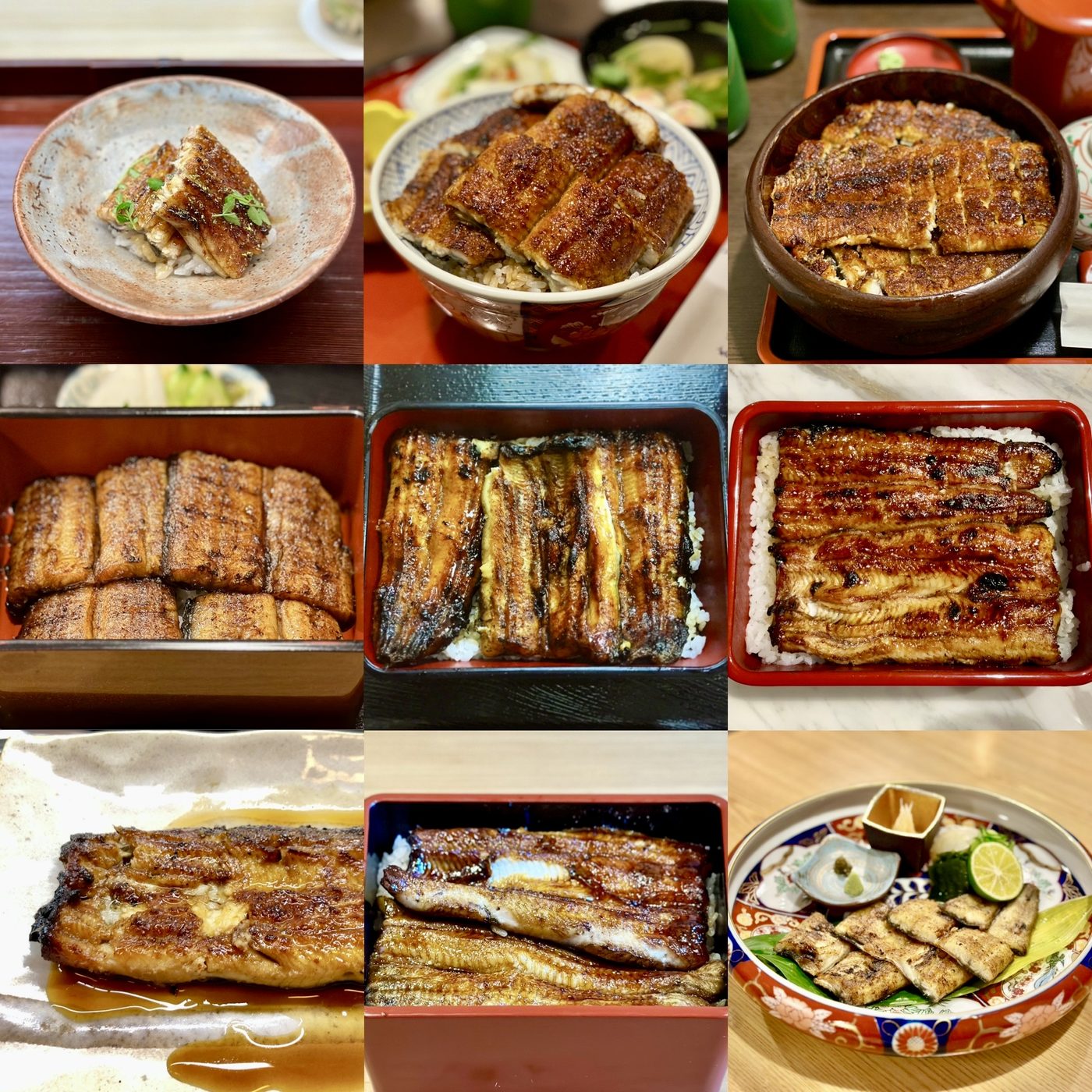
Tokyo's most storied eel restaurant, founded in 1830 and Michelin-starred: a lacquer box of steamed-then-grilled eel glazed in five-generation tare. Lunch is walk-in possible; dinner books out.
Reference ↗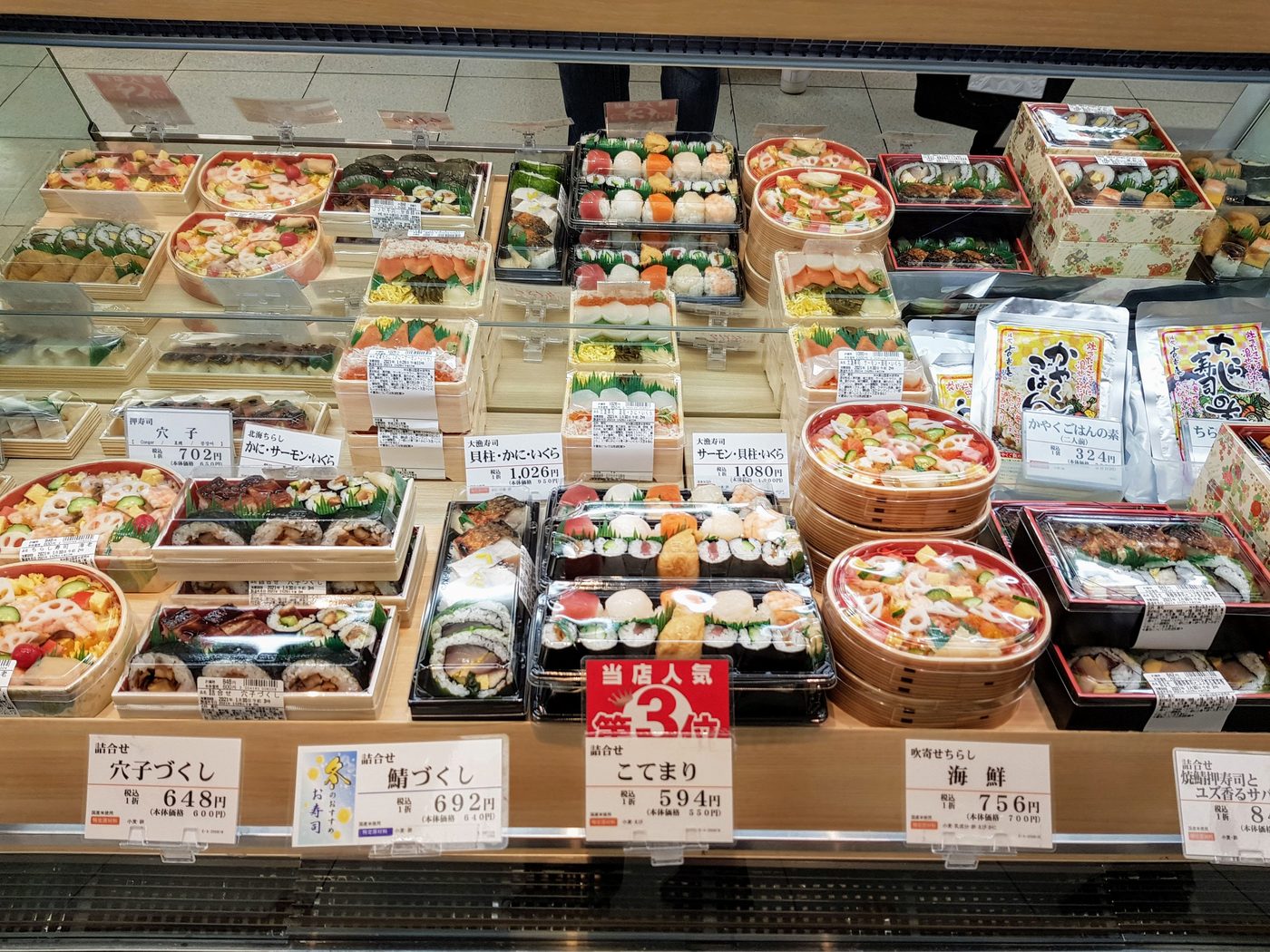
Two basement floors of Japan's finest food culture: hand-wrapped wagashi, fresh sashimi, Kyoto pickles, aged miso and a wall of seasonal bento. Both grocery store and edible museum.
Reference ↗All five are mid-range (roughly 15,000 to 32,000 yen a night for two) and chosen for location. Shinjuku is the best all-round base for the Hakone and Kawaguchiko day trips; Tokyo Station suits several rail day trips; Asakusa is the most atmospheric; Ginza the most refined; Shibuya the liveliest. Pick one base and day-trip out, no need to switch hotels except for the Hakone ryokan night.
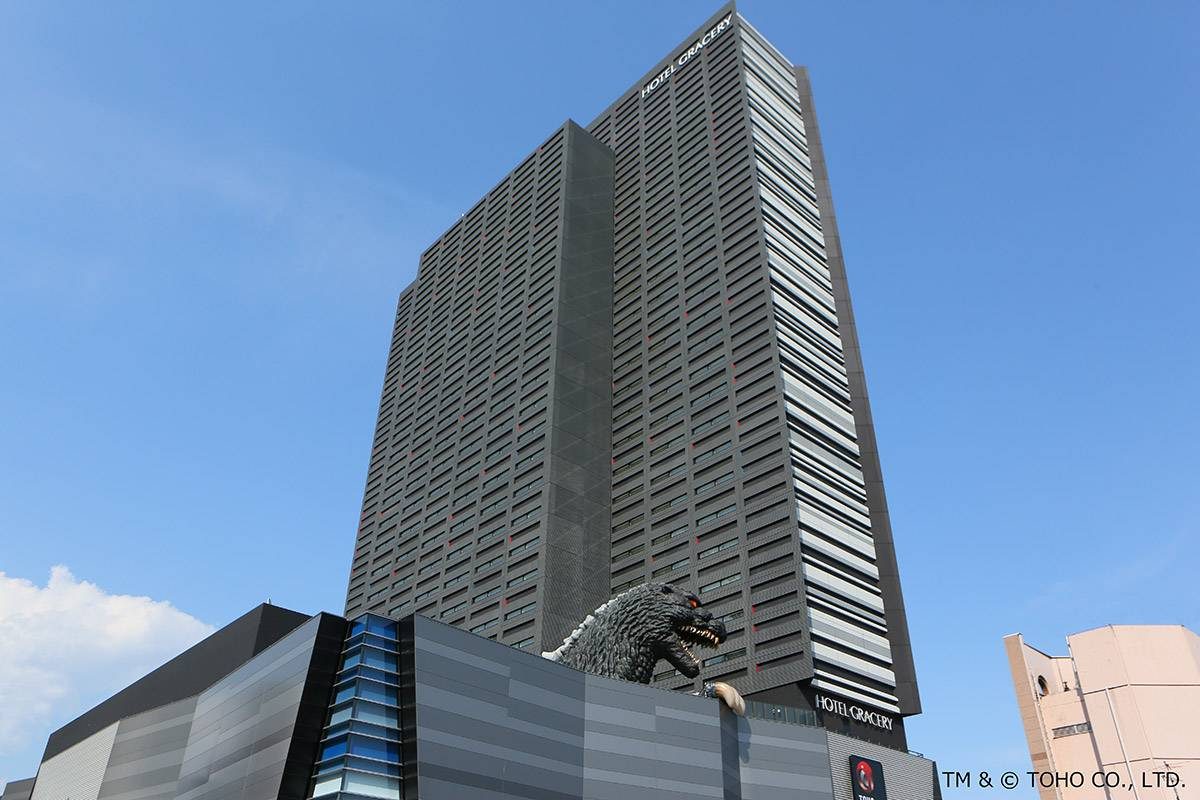
In the heart of Kabukicho, 5 minutes from Shinjuku Station: ideal for the Yamanote Line, direct Narita buses, the Romancecar to Hakone and the highway bus to Kawaguchiko. Topped by a giant Godzilla head.
Reference ↗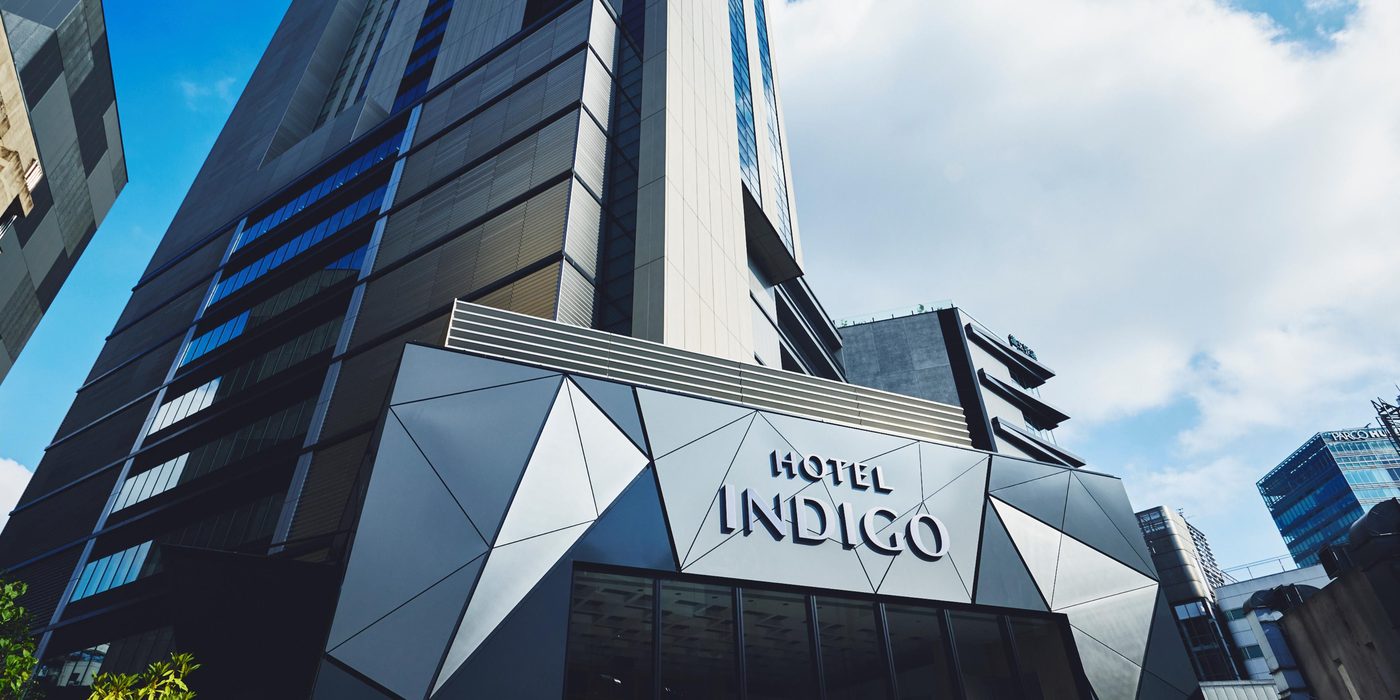
A sleek IHG boutique hotel in Shibuya's Dogenzaka, with a rooftop terrace and city-view rooms. Shibuya Station is 5 minutes' walk, putting the Scramble Crossing and key train lines on your doorstep.
Reference ↗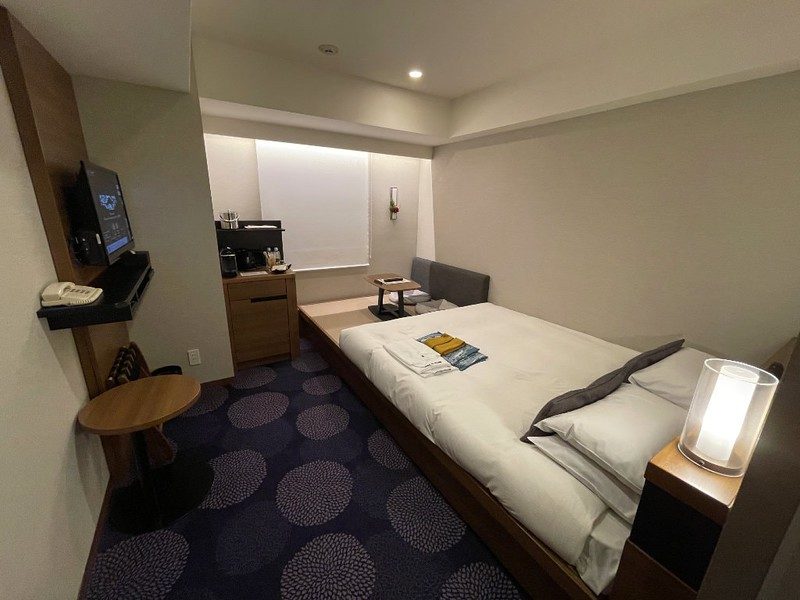
Arguably the best mid-range value by Tokyo Station, 3 minutes from the Yaesu North exit, so the Shinkansen and any JR day trip are walkable. Genuinely good breakfast and helpful English-speaking staff.
Reference ↗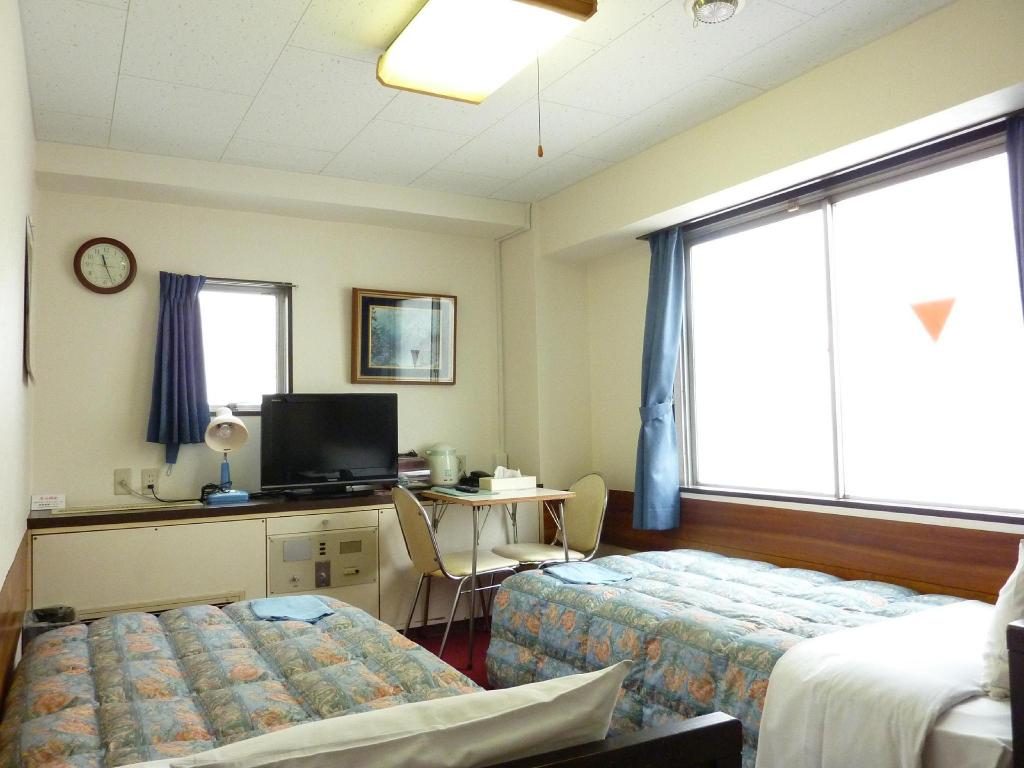
Three minutes from Asakusa Station, surrounded by Senso-ji and the Nakamise arcade: the obvious choice for old-Tokyo atmosphere, still on subway lines to Ueno and Akihabara. Rates often dip into the budget band.
Reference ↗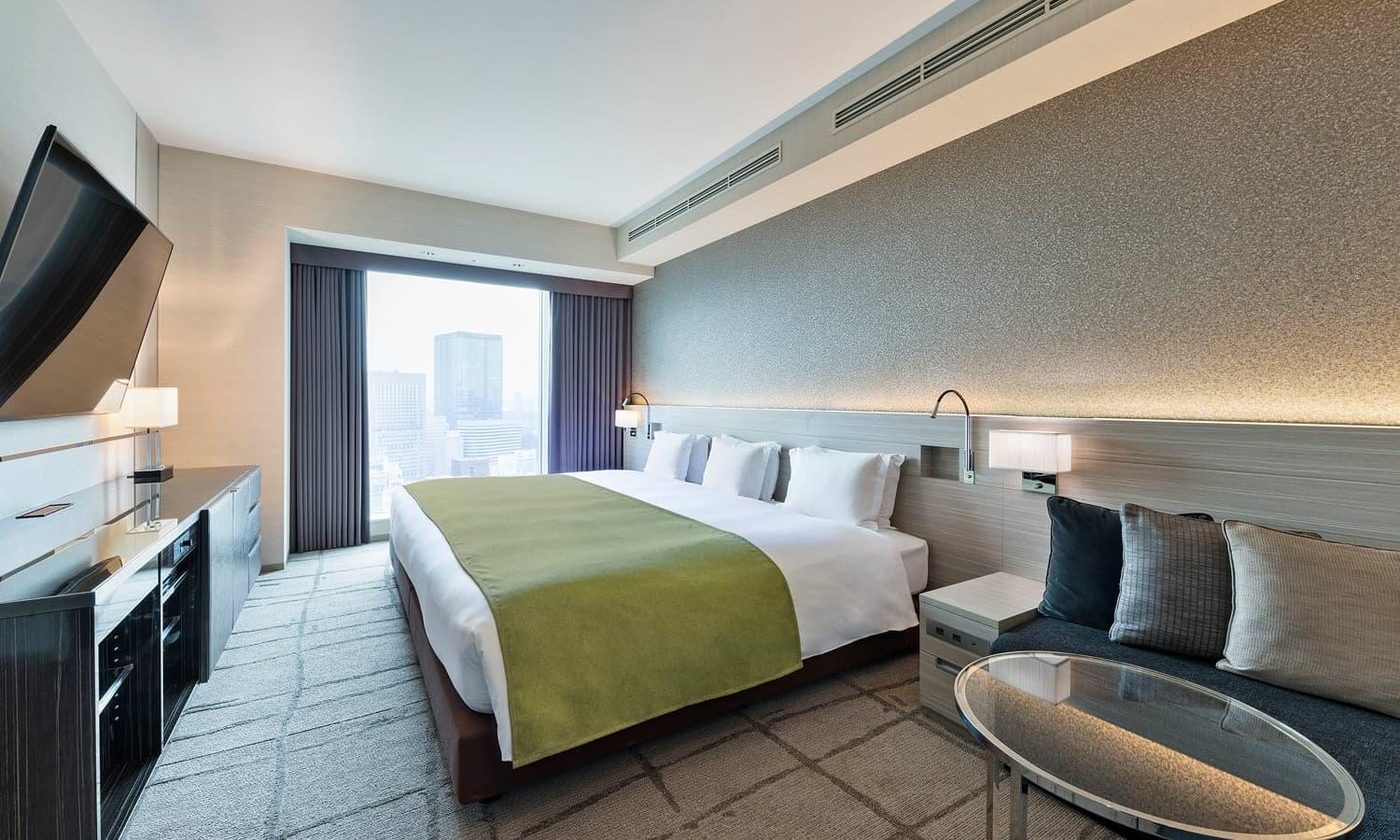
In the centre of Ginza with Tokyo Tower views from upper floors, punching above its price with polished service and easy Hibiya Line access. A quieter, more refined base than Shinjuku.
Reference ↗The practical bits that make a Japan trip run smoothly.
For a Tokyo-based trip like this, a nationwide JR Pass is not worth it. Get a Suica or PASMO IC card for daily trains, the Hakone Free Pass for the Hakone loop, and buy day-trip tickets individually.
You bathe naked and wash thoroughly before getting in. Many baths still refuse visible tattoos, so book a room with a private bath if that matters.
November in Tokyo is crisp, roughly 10 to 17°C. Hakone, Nikko and the mountains are colder, especially in the evenings. Bring layers.
The moment your dates are set, buy date-specific Disneyland tickets on the official Tokyo Disney Resort app. Popular days sell out.
If your flight options allow, Haneda is much closer to central Tokyo than Narita and saves you about an hour each way.
Pick up a travel eSIM or pocket wifi at the airport. You will want maps and the Disney app working from minute one.
Cards and IC cards work widely, but small restaurants, shrines and markets are still often cash-only. Keep some yen on you.
Japanese forecasters publish an autumn-leaves forecast from late September. Check it once your flights are booked to fine-tune the plan.